
Discover the Benefits of Pilates Before & After Birth
Discover the role of mum-and-baby classes, the importance of individual recovery and how Pilates can fit into life after childbirth.
Discover the role of mum-and-baby classes, the importance of individual recovery and how Pilates can fit into life after childbirth.
When it comes to fitness trends, new approaches and exercise programmes are always emerging – and Pilates is no exception. For expectant parents and those adjusting to life with a newborn, Pilates offers an opportunity to maintain movement, develop body awareness and support physical wellbeing.
But what about Pilates for babies, too? Play-lates explores this idea by combining Pilates-inspired activities with play between parents and their babies. While the concept is a little different from a traditional Pilates class, it’s still designed to help parents and babies spend meaningful time together.
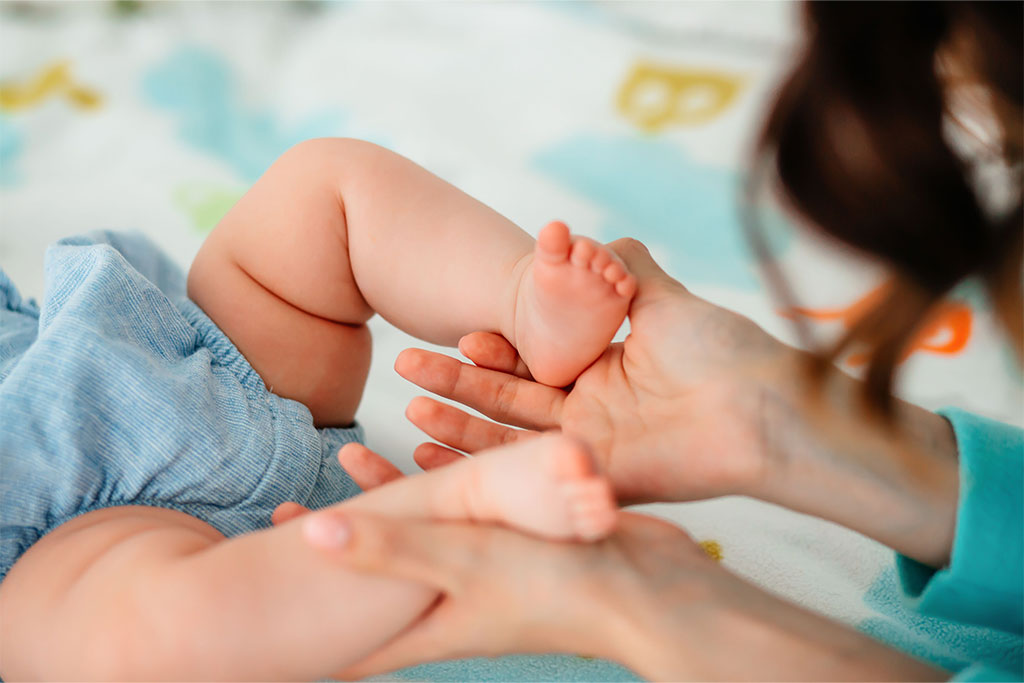
In this article, we explore Pilates during pregnancy, postnatal Pilates for new mums, and the idea of introducing babies to gentle, movement-based play.
Pregnancy brings significant physical changes, from shifts in posture and balance to changes in how the abdominal and pelvic floor muscles function. For many people, staying active during pregnancy can support general wellbeing, provided the activities are appropriate for their stage of pregnancy and circumstances.
Pilates may offer a way to maintain movement, develop body awareness and practise controlled breathing. Exercises can be adapted to accommodate a growing bump, changing comfort levels and the demands of each trimester.
Depending on the individual and the guidance of a suitably qualified instructor, prenatal Pilates may focus on:
Pregnancy is not the time to approach exercise with a one-size-fits-all mindset. Exercises that feel comfortable at one stage may need to be modified later, and some movements may not be suitable for particular individuals.
Anyone considering Pilates during pregnancy should seek advice from their maternity healthcare team when needed and choose an instructor with appropriate prenatal exercise knowledge. The aim is to support comfortable, appropriate movement rather than achieve a particular performance or aesthetic goal.
Play-lates was created by Nathanael Buckley, a father from Sydney, who owns his own Pilates studio. He’s also taught fitness classes home and abroad for over 15 years. In terms of credentials and experience, he has both in abundance. It’s this knowledge that he’s levering in order to break from convention.
He explains the inspiration behind it that focuses on Pilates exercises for babies, after realising he didn’t have the time to take his daughter to a playgroup.
I was frustrated. So, I started making activities for my daughter Phoebe, and I based them on Pilates, but modified for babies.Nathanael Buckley - Play-lates Founder
Unlike most exercise programmes for adults, Buckley wasn’t aiming to achieve a particular weight loss or fitness goal, but rather foster a stronger father-daughter bond. As is the same with the Pilates practice for adults, other goals are to improve core stability and balance. This, in turn, could help them through key developmental milestones such as crawling and walking.
The benefits of Pilates for adults include reduced stress levels and rehabilitation, things that a baby or young child will not be concerned with. However, simple activities can provide opportunities to engage with your baby, respond to their cues and enjoy time together away from the routines of feeding, changing and settling.
Age-appropriate floor play, talking, singing and supervised movement can all form part of a baby’s everyday experiences. Experts in the field seem to be behind the idea.
Whether it be physio or medical or exercise advice, it's often better to learn it in person because every baby is different and develops at a different rate.Julianne Pegler, Australian Physiotherapy Association
Performing exercises with babies is nothing new, but it’s of paramount importance that you consult your doctor before attempting anything new. Babies should never be forced into positions, stretches or movements, and parents should avoid applying pressure to their baby’s limbs or spine.
After giving birth, many women are keen to return to exercise, but the postnatal period is also a time of recovery and adjustment. Pregnancy and birth can affect the abdominal muscles, pelvic floor, posture and overall energy levels, while the physical demands of caring for a newborn can introduce new challenges.
Postnatal Pilates can provide a structured way to reintroduce movement gradually, with exercises adapted to the individual’s recovery, experience and comfort. Depending on their needs and stage of recovery, postnatal Pilates may help women work on:
Returning to exercise should be gradual and individualised. The type and timing of activity will depend on factors such as the birth experience, healing, symptoms and any advice from a healthcare professional. Women recovering from a caesarean birth or experiencing symptoms such as pelvic heaviness, urinary leakage or persistent pain may benefit from assessment by a pelvic health physiotherapist.
Postnatal Pilates is not about rushing to regain a pre-pregnancy body. It is about supporting recovery, rebuilding confidence in movement and finding an approach to exercise that fits a new stage of life.
Pregnancy, recovery after birth and caring for a newborn all bring different physical and emotional demands. Pilates can be adapted to support movement during pregnancy and the postnatal period, while simple, age-appropriate play can help parents and babies enjoy time together.
The key is understanding that these are related but distinct activities. Prenatal Pilates should account for the changes and considerations of pregnancy, postnatal Pilates should respect recovery after birth, and baby-focused activities should prioritise comfort, interaction and developmental needs.
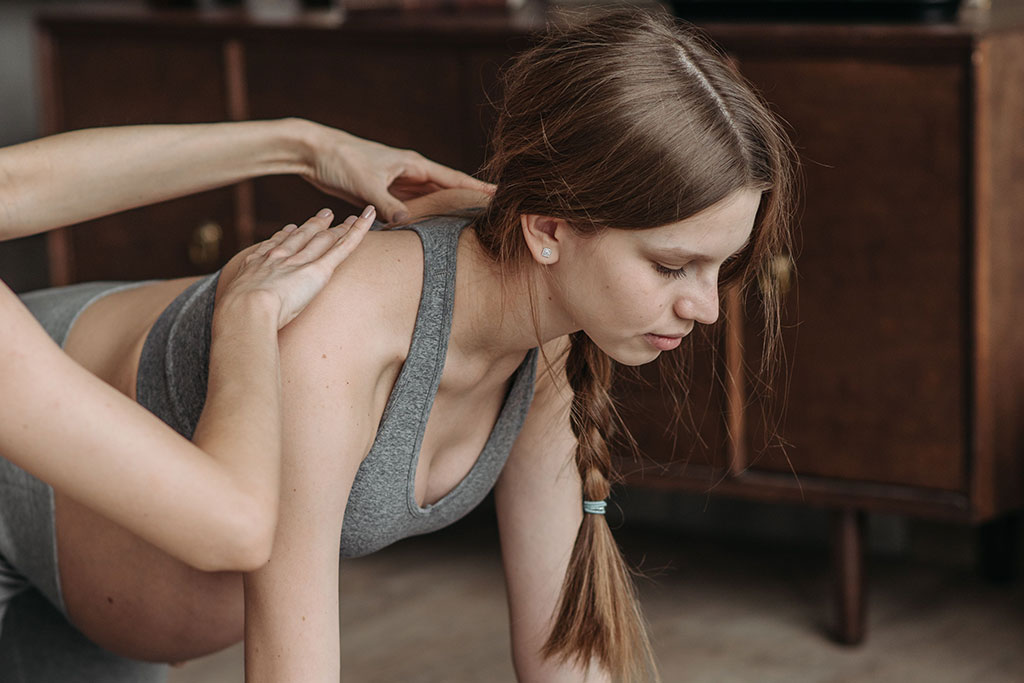
If you are an expectant parent or a new mum considering Pilates, look for an instructor with relevant training and experience. Start at an appropriate level, progress gradually and seek individual advice if you have concerns about symptoms, recovery or the suitability of particular exercises.
Back to articlesStep inside the world of Pilates
Great news, you're on the list...