
How to Become a Personal Trainer
UK Guide
UK Guide
Personal training remains one of the most popular career paths in the fitness industry, offering flexible working opportunities, strong earning potential, and the chance to help people improve their health and confidence through exercise.
Success in the industry takes more than earning a qualification. The personal trainers who thrive have a genuine passion for helping others improve their health and fitness, combined with the knowledge, skills, and commitment needed to support clients effectively. Strong people skills are equally important, helping you build trust, motivate clients, and create lasting relationships.
Taking that all-important first step towards becoming a personal trainer is exciting, but it can feel daunting too. That’s where we can help.
Whether you’re starting from scratch or already working in fitness, this step-by-step guide explains how to become a personal trainer in the UK, from choosing the right course to gaining experience and building a long-term career in the industry.
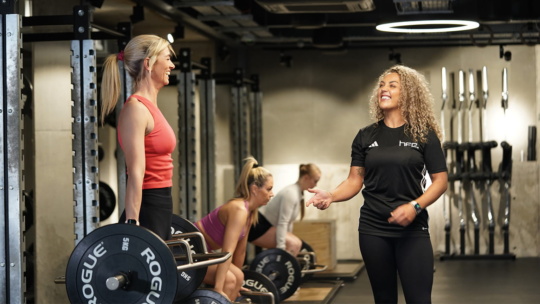
Before committing to any personal trainer course, it’s worth speaking to people already working in the industry. Training providers can give useful guidance, but experienced PTs will give you a clearer picture of what the job actually looks like day-to-day.
Ask experienced PTs about:
A short conversation with experienced personal trainers can provide valuable insight into the realities of the profession. It might cost you a coffee, but the lessons you learn could be invaluable, helping you to avoid costly mistakes and make better decisions about your own training and career path.
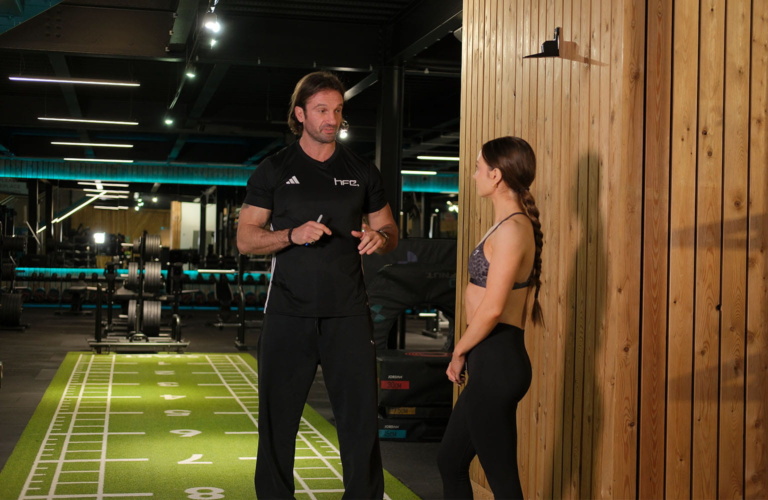
A personal trainer is a qualified fitness professional who helps clients improve their health, fitness, and lifestyle through structured exercise. Combined with coaching support, they also help their clients improve other aspects of their health and lifestyle, including nutrition, recovery, and stress management.
Modern personal training is about far more than creating workouts. It combines exercise science (anatomy, physiology and biomechanics), communication, motivation, and behaviour change coaching to provide a holistic health and fitness coaching service for clients. Typical responsibilities include:
Personal trainers typically work with a wide range of clients, including complete beginners and experienced exercisers. They may also work with clients who have more specialist needs, including athletes, older adults, perinatal women, or those returning to exercise following an injury or long periods of inactivity. When working with clients that have specialist needs, additional specialist qualifications are required.
For most personal trainers, no two days are the same because they get the opportunity to work with a diverse range of clients, each with their own needs, abilities and backgrounds. This is one of the reasons why personal training is so rewarding.
Everyone’s journey is different, and people choose a career in personal training for many different reasons.
For some, it’s an opportunity to turn their passion for fitness into a professional career. For others, it’s the chance to serve people and help them improve different aspects of their health and fitness—physically, mentally and emotionally.
Some people are also drawn to personal training for financial reasons. While there are opportunities to make a great living as a personal trainer, those driven primarily by revenue tend to have less success. Personal training is first and foremost about the clients, not the money, and it’s essential to remember this.
More often than not, all these motivations go hand in hand. The continued growth and expansion of the active leisure sector, especially the fitness industry, instils confidence and certainty that this is an attractive and sustainable career path.
Personal training offers a unique combination of flexibility, career progression, and the opportunity to make a meaningful impact on people’s lives. Common reasons people pursue a personal training career include:
One of the most important qualities personal trainers must have is a genuine desire to want to help and support others, physically and mentally. When that motivation is at the heart of everything you do, personal training can be an incredibly rewarding career. Those who have this motivation—who are more driven by what they can give rather than what they can get—are more often rewarded with successful careers. That’s why being able to communicate with clients in an open, positive and non-judgemental way is essential.
No prior experience is required to start a qualification. However, gaining early exposure to training environments can help build confidence and improve employability once qualified.
Personal training can offer flexibility and autonomy, but income stability usually takes time to build. Success often depends on:
Typically 4–6 months for most blended learning routes, although timelines vary depending on study method and personal circumstances.
Earnings vary widely depending on experience, location, employment type, and client base, which is covered in more detail in our salary guide. Most trainers increase income over time as they specialise and build a stable client base.
One of the most important steps in becoming a personal trainer is gaining the appropriate industry-recognised qualifications.
In the UK, employers expect personal trainers to hold a Level 3 Diploma in Personal Training, which can be completed as a single and larger study programme, or by completing the following component qualifications separately:
• Level 2 Certificate in Gym Instruction
• Level 3 Certificate in Personal Training
The Level 2 Gym Instructor qualification provides the foundational knowledge of exercise science, as well as simple coaching strategies for teaching gym-based exercise. This qualification also provides strong insight into basic nutrition and healthy eating strategies, exercise programming, health screening, goal setting and client motivation.
The Level 3 Certificate in Personal Training builds on the foundational knowledge, going deeper into the anatomy, physiology and biomechanics of exercise, as well as a more in-depth look at nutrition science. The qualification also introduces additional subjects, like health and fitness assessments, advanced training methods (core stability, functional training, resistance training and cardiovascular conditioning), as well as how to promote and market yourself as a PT.
Most students are able to comfortably complete both of the above qualifications within 6 months, although this does depend somewhat on how much time they dedicate to their studies, their mode of study (in-person vs. online), and their starting point.
Industry-recognised qualifications are awarded by fitness industry awarding organisations like Transcend Awards, YMCA Awards, and Active IQ. These are the qualifications that are most respected and favoured by employers. They are also regulated by Ofqual, providing an additional level of trust and credibility.
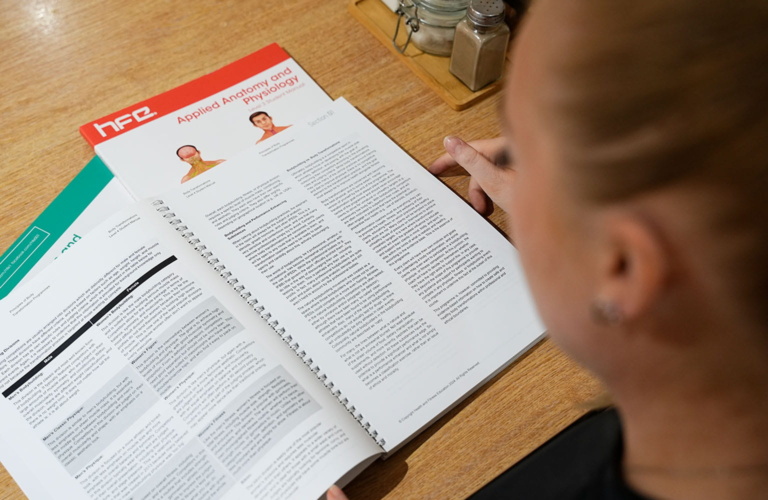
Different study methods suit different people, so it’s important to choose a course that matches your learning style, schedule, and future goals. You will also need to consider your own level of focus and self-discipline because some courses involve a lot more independent study than others.
Online courses are often more flexible and affordable, allowing you to study around work, family, or other commitments.
However, online learning usually requires:
Some learners thrive in self-paced learning environments, while others find it more challenging to stay focused.
Blended learning combines home study with face-to-face practical training and assessments.
This approach often provides:
Blended courses tend to be delivered by specialist training providers like HFE, using commercial health clubs like David Lloyd for the practical training. Overall, they provide a more immersive learning experience, and students also get to interact with other people on the same journey.
Before choosing a provider, it’s worth understanding that not all personal training qualifications are equal. Often, resources, learning, and support vary in quality, which leads to varying levels of job readiness. With so many providers to choose from, it can be difficult to know what actually leads to strong outcomes for your future career.
We advise you to look for the following:
Be cautious of courses that:
While it’s possible to qualify quickly under certain circumstances, most learners take several months to complete their studies. Developing the knowledge, confidence, and coaching skills needed to work effectively with clients takes time, and any provider suggesting otherwise should be approached with caution.
Ultimately, the quality of a personal training course is not just about the qualification itself, but how confident and prepared you feel applying your knowledge with real clients.
Because providers differ so much in terms of support, course structure, and industry readiness, many people find it helpful to speak with a course advisor before enrolling. This can help ensure the route they choose aligns with their goals, learning style, and long-term career plans. Again, be cautious of high-pressure sales tactics when talking to any advisor.
If you’re exploring how to become a personal trainer, getting hands-on practical experience is just as important as achieving recognised qualifications. Qualifications are important for demonstrating that you have the essential knowledge and skills to practise safely and effectively. However, coaching confidence and the ability to work with a wider range of clients, often with more complex needs, comes from experience.
You can start building experience by:
This experience will be invaluable when you complete your qualification and beyond. It will also help to set you apart from others down the line when you’re looking for personal trainer jobs.
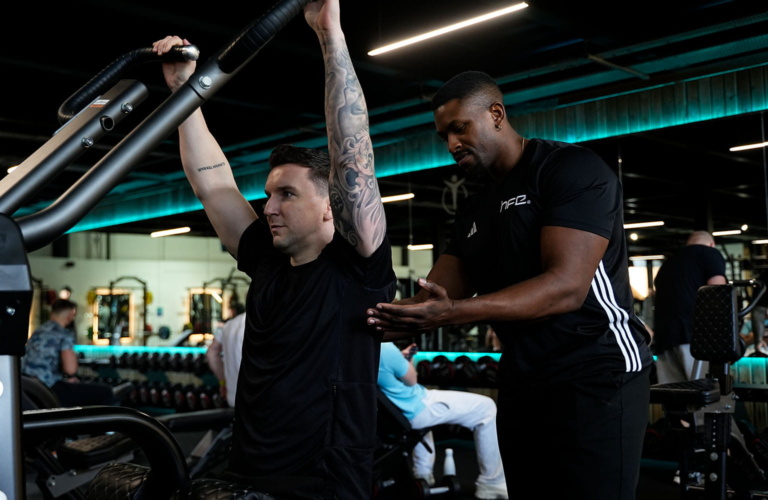
Working alongside an experienced personal trainer can accelerate your development and help bridge the gap between completing your qualification and starting your personal training career.
A mentor can help you:
When choosing a mentor, it’s essential to select someone with strong industry experience who has a coaching style you admire and respect. You’ll also want to ensure that they have a proven track record of success. Learning from somebody who has already built a successful career can provide valuable insights that go beyond what any qualification can provide.
Many experienced trainers are happy to share advice with those entering the industry, and their guidance can help you avoid the common mistakes that are often made during the formative stages of a PT career.
Before working with paying clients, it’s best practice to register yourself with the Chartered Institute for the Management of Sport and Physical Activity (CIMSPA). While it’s not a legal requirement, it demonstrates a commitment to professional standards and provides the industry recognition that employers and clients would reasonably expect to see.
To practise as a personal trainer, you’ll need to get an appropriate type and level of insurance cover. Trainers who are employed directly by health clubs (as opposed to those renting a space) are likely to be covered by their employer’s insurance, but it’s always worth checking.
Most personal trainers operating in the UK should have the following policies in place:
Professional recognition from CIMSPA gives you access to discounted insurance products, which can go some way in reducing the time and cost involved in sourcing the right policy.
If you choose to be self-employed, you may also want to consider personal accident cover, just in case you become injured and are unable to work.
Some gyms and leisure operators will also require the following:
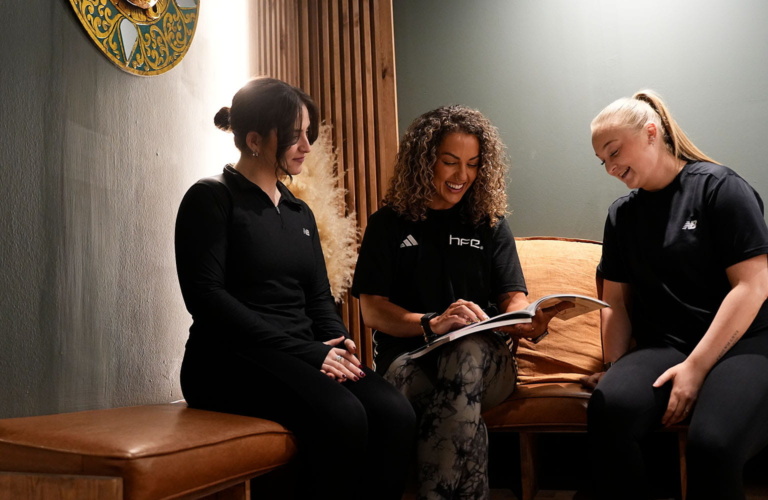
Once you’re qualified and insured, the next stage of the journey to become a personal trainer is to start practising with real clients. This is where many new PTs struggle to get going because they wait until their qualifications are complete before putting themselves out there. If you’re already working with a mentor, coaching friends and family, and having conversations with employers, you’ll already have some momentum.
Nerves and a touch of imposter syndrome are quite normal at this stage. Remember, this is what you’ve been working towards and where the results of all your hard work start to pay off.
As a qualified personal trainer, there are a number of places you can work, including:
With all of the above, there are employed and self-employed opportunities.
In most cases, career progression is gradual, and few coaches walk straight into a gym and get a full schedule of clients. That’s why many gym facilities provide a transitional period to allow trainers to build up their clientele.
The early stages of launching your career usually involve:
It’s important to remember that this stage of your career is less about knowledge and more about demonstrating to clients the right professional attitude and attributes, especially around communication and being client-focused.
The fitness industry constantly changes, so you must stay up to date with the latest developments. CPD can also help you develop your scope of practice, allowing you to provide more specialist training or nutrition coaching services to clients.
CPD is important because it helps personal trainers:
As you gain experience, you may choose to complete additional training or qualifications in areas such as:
Many employers and professional organisations also encourage regular CPD to maintain professional standards and support career progression.
If you’re a member of CIMSPA you’ll be required to complete approximately 10 hours of CPD every year (5 of which must be directly endorsed by CIMSPA).
The most successful trainers are usually those who continue learning long after they qualify. Alongside technical knowledge, they further develop strong communication skills, acumen, and the confidence to relate to different types of clients.
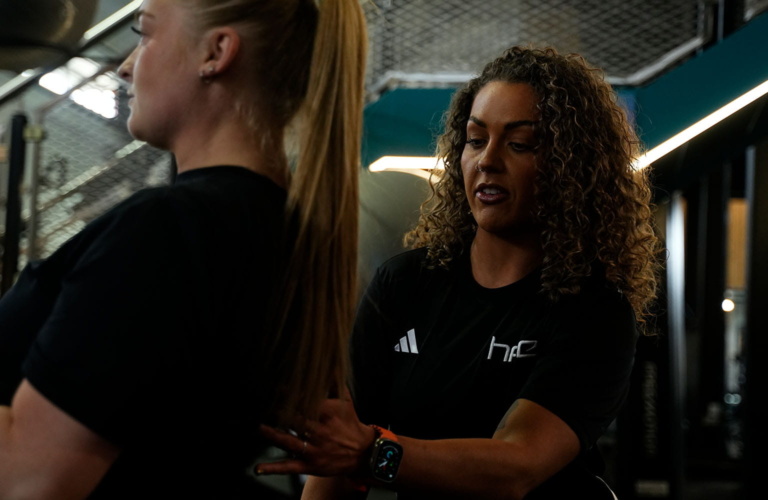
Understanding how to become a personal trainer involves much more than getting a qualification. Success in the industry comes from a combination of strong technical knowledge, a diverse set of practical coaching skills, and a firm commitment to developing your communication skills. You must have a genuine desire to help people because you’ll spend most of your time supporting clients in the pursuit of their health, fitness and wellbeing goals.
While the pathway into the profession is relatively straightforward, building a sustainable and rewarding career takes time. The most successful trainers are rarely those with the biggest ego, or who focus on getting qualified as quickly as they can instead of taking the time to become a master of their craft. The most successful PTs are the ones who continue learning, reflect on their experiences with real clients, and consistently refine their coaching skills over time.
By choosing the right training route, building practical experience early, and committing to ongoing professional development, you'll be in a strong position to build a successful long-term career in personal training.
And get the fast-paced world of personal training delivered straight to your inbox every week
Great news, you're on the list...