Level 3 Standing Pilates Instructor Course
Expand your skills and deliver standing Pilates exercises to a wide range of participants.
Fitness industry's leading awarding bodies.
HFE.co.uk
2497
reviews |
out of 5
Expand your skills and deliver standing Pilates exercises to a wide range of participants.
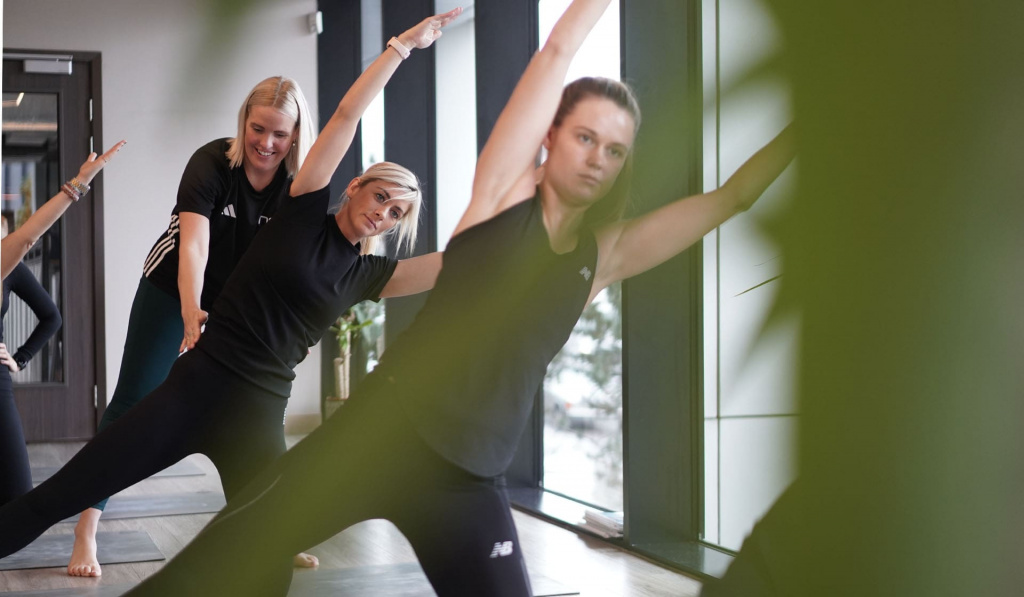
Embracing the spirit of the Pilates method, our standing Pilates course will teach you how to plan and deliver standing Pilates activities that are suitable for a wide range of participants.
Online
2-4 weeks
Level 3 Mat-Pilates Teacher (recommended)
Our fantastic and friendly team of support tutors are always ready and willing to help you during your standing Pilates course. Whether it’s a technical question about the content or some impartial career advice, our support tutors are always available to help you when you need them. Typically, we provide support via:
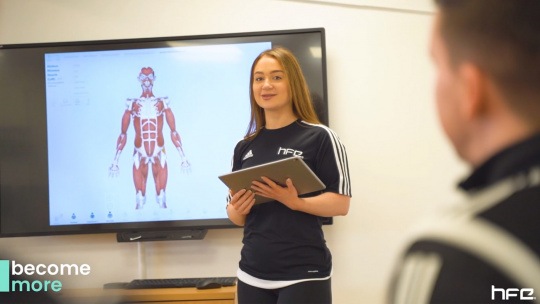
Our standing Pilates course has been designed to embrace the fundamental principles of the Pilates method and applies these to a standing exercise format. The course will equip you with the knowledge, skills and confidence to teach standing exercises that promote form, function and health, while also making your classes and sessions more inclusive.
Our training has been specially formulated to help qualified Pilates teachers to expand their knowledge and elevate their careers by allowing them to deliver classes which suit a broader spectrum of needs and abilities.
Here are some of the things you’ll learn during your standing Pilates course:
Evolution of the Pilates method
From mat-standing in Pilates
Principles and fundamentals of Pilates
Classical and modern Pilates
The standing approach in the Pilates method
General and specific benefits
Movement planes in Pilates
Developing balance in Pilates
Risks and benefits to special populations
Physical and technical demands of standing Pilates
Health and safety considerations
Upper-body standing exercises
Lower-body standing exercises
Core standing exercises
Whole-body standing exercises
Modifying and progressing standing exercises
Developing own standing exercises in Pilates
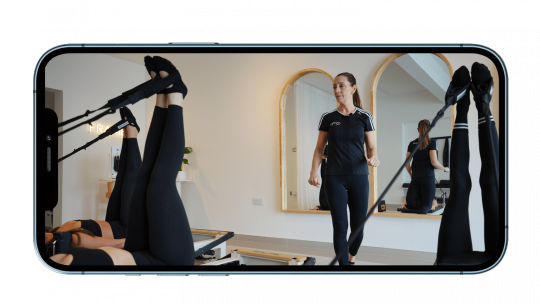
*Images and videos are for illustration purposes and may not depict specific course materials.
After their studies, many of our Pilates graduates go on to work with leading health and fitness operators, including many of those featured below. Additionally, many are also now employed by a number of smaller and more boutique Pilates studios. Some have even started their own Pilates businesses and classes.



Our Level 3 Award in Standing Pilates will include a range of online assessments designed to measure the knowledge and skills that you’ve developed throughout your course. Our dedicated team of support tutors will also be on hand to answer any questions that you may have about your online assessments. The assessments for this standing Pilates course are as follows:
Here are a few questions that we're regularly asked about our standing Pilates course. If you do have any additional questions, please don't hesitate to get in touch with our Careers Team who are ready and waiting to hear from you!
The fundamental difference between standing, mat and reformer Pilates is how they are all performed. Mat Pilates is conducted on the floor, standing is performed while standing (funnily enough) and reformer Pilates includes the use of the universal reformer; a specialist piece of Pilates equipment designed using springs and bands for resistance.
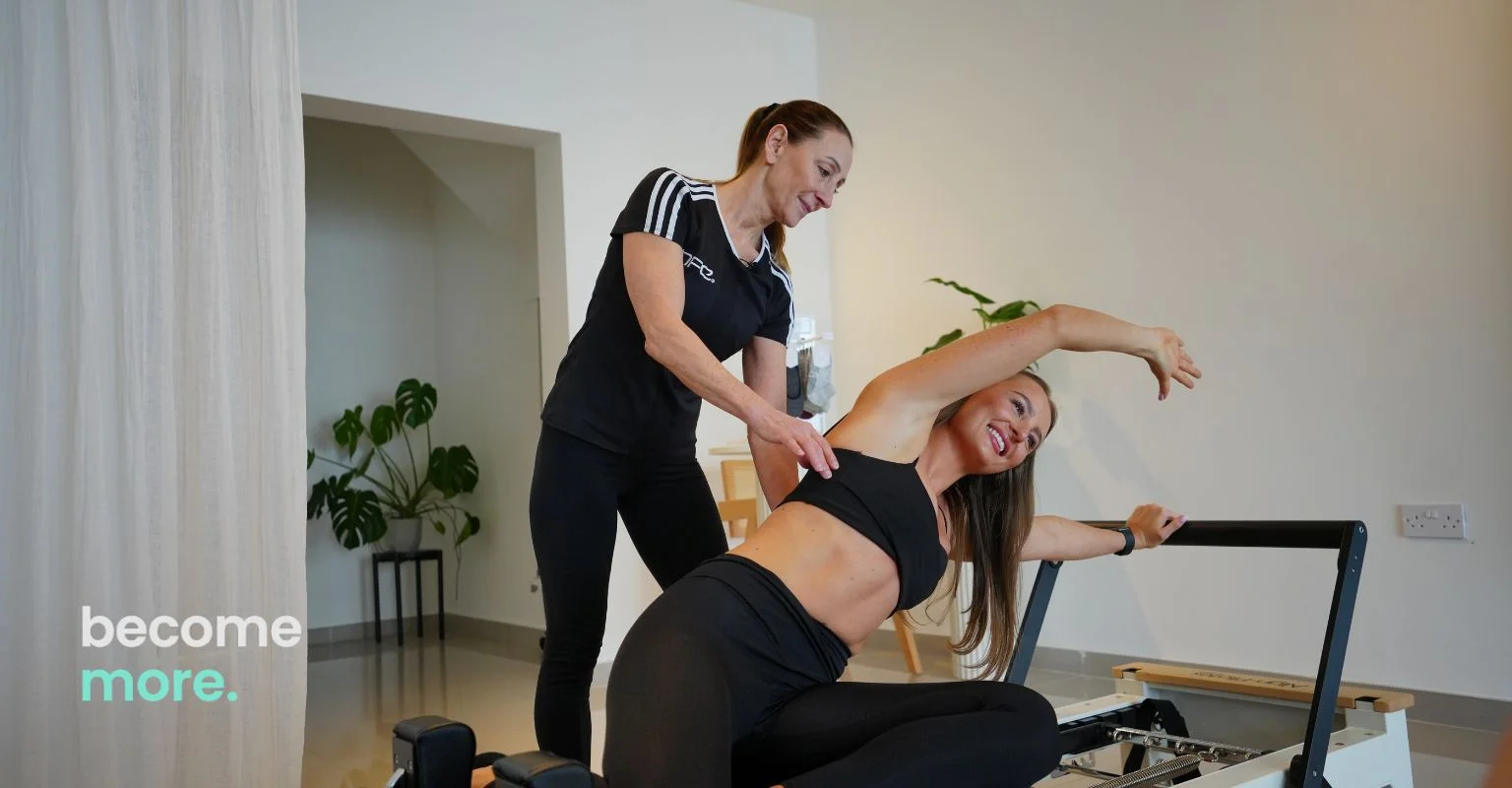
With standing Pilates in particular, the style incorporates exercises which embody the core principles of the Pilates method with a range of exercises performed from a standing position. This means that the exercises are quite diverse and somewhat unrecognisable from the classical styles of Pilates. This form of Pilates is also more suitable for those suffering from poor mobility and who maybe cannot transition safely to the ground, those at risk of falls, and clients with various musculoskeletal pain and injuries.
In this course, you will learn a range of standing Pilates exercises that focus on different areas of the body. For classification purposes, they are divided into upper, middle and lower-body exercises. However, as most Pilates teachers and practitioners know, Pilates exercises focus on whole-body integration and stabilisation, and the standing exercises presented in this course are no different.
The course includes 35 core exercises that are presented with multiple pieces of equipment and an endless number of options. On completion of this course, you’ll have an extensive number of standing exercise options to include in your class. You’ll also get a fully downloadable handout listing all these exercises so that you can make notes during the online practical workshops.
Most Pilates teachers will deliver their sessions in gyms, health clubs, leisure centres and/or community-based leisure facilities like a church hall or community centre for example. Like mat-based Pilates, standing Pilates exercises require very little equipment and so they can be performed almost anywhere.
Standing Pilates will likely appeal to a different type of student than classical matwork sessions, so there is even more scope to target this audience. The elderly, those with limited mobility, those who are at risk of falls, and/or pre and postnatal women will definitely be drawn to standing Pilates more than the everyday Pilates student. As such, exercise referral schemes, fall prevention programmes, and other more specialised exercise services are much more likely to want to hire teachers able to teach Pilates from a standing position.
As a company, we believe in full transparency, which is why we don’t advertise our courses as leading to any specific job or interview. This practice is highly misleading and almost always misrepresented.
What we do, however, is give you access to our flagship CV Connect platform. Here, you can simply upload your CV and the system will allow you to connect with thousands of potential employers across the UK and abroad. With CV Connect, we can cut out the middleman and get you connected directly with all of the major health and fitness club operators.