
Common Running Injuries and Prevention Strategies
Discover the functional anatomy of the rotator cuff muscle, common injuries, and how sports massage treatments can support recovery.
Discover the functional anatomy of the rotator cuff muscle, common injuries, and how sports massage treatments can support recovery.
0In my physiotherapy clinics, many of my clients tell me “there is no joy like the joy of running.” I have to say, I’m inclined to agree with them. The endorphin release that is described as the ‘runner’s high’ is a feeling that’s difficult to replicate. This perhaps explains why, when a runner gets injured, it can have a huge impact on their health, not just physically, but also their mental health and wellbeing.
For many, running is a coping strategy for the daily stresses of life (e.g., anxiety, low mood). Treating runners who are injured can be complicated, and for the runners themselves, it can be devastating.
As a sports massage therapist, it’s likely you’ll have clients present with a range of common injuries and conditions. In this specific article, however, we will explore how to prevent common running injuries using a combination of strength training, optimal recovery strategies, and of course, sports massage therapy. I will also share with you some of my experiences I’ve had working with injured runners in my physiotherapy clinics.
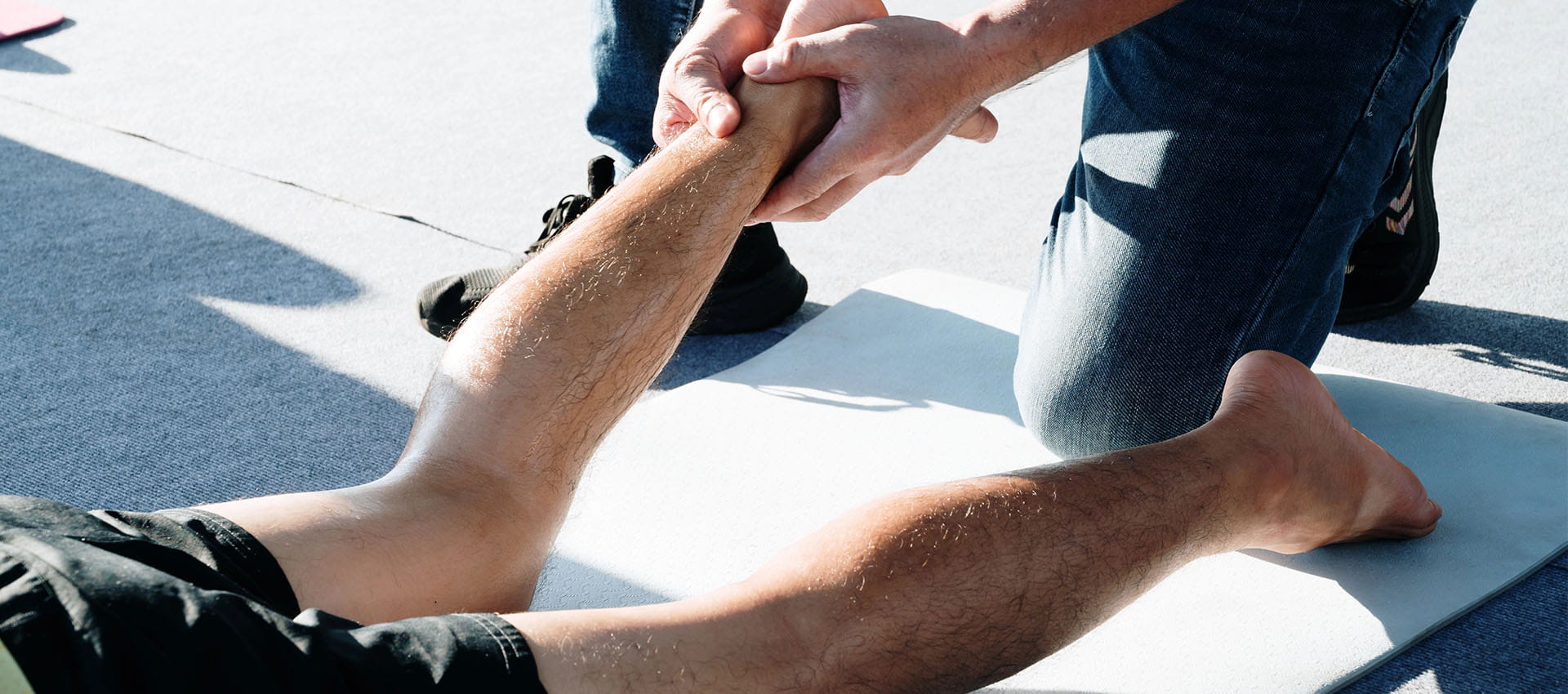
Running injuries are not uncommon. In fact, it is estimated that 50% of runners will suffer with some sort of injury in any given year (Kakouris, 2021). Prevention is always better than cure, so dedicating time to rest, active recovery and prehabilitation training (specific injury prevention strategies) can prove invaluable for runners and can really help to avoid lengthy periods away from training. However, what I’ve found in my own physiotherapy clinics is that those runners who adore running, especially those who accumulate lots of running miles/hours each week, and who almost always have an event in the pipeline, don’t make the best patients.
Most runners are not attracted to strength training. It doesn’t give them the same endorphin high that running does. By contrast, strength training is an intermittent activity that focuses on slow, thoughtful repetitions repeated across multiple sets. For most people, they need to be in an indoor gym environment, which is the polar opposite of what running involves.
Those runners who don’t engage in strength training are much more likely to get injured (Lauersen et al., 2013). Running requires a certain amount of strength in order to adequately absorb and distribute the loads created from impact (ground reaction forces). A well-structured strength training programme can pay dividends, helping to reduce the future risk of overload injuries, particularly in the legs and lower back.
Many of my clients only realise the importance of strength training once they’ve sustained an injury. At that point, especially if they’re training for a specific event, it is often too late. Strength training needs to be introduced early into the training schedule, giving the runner adequate time and energy to build a solid foundation. Focus on simple compound exercises (squats, lunges, hip thrusts) that have relatively speaking, a lower risk of technical failure and injury. As the runner gets closer to their race, the emphasis placed on strength training should be tapered off, both in terms of volume (frequency and length of time) and intensity (physically demanding), giving them greater capacity to focus on increasing their running miles (volume) and intensity.
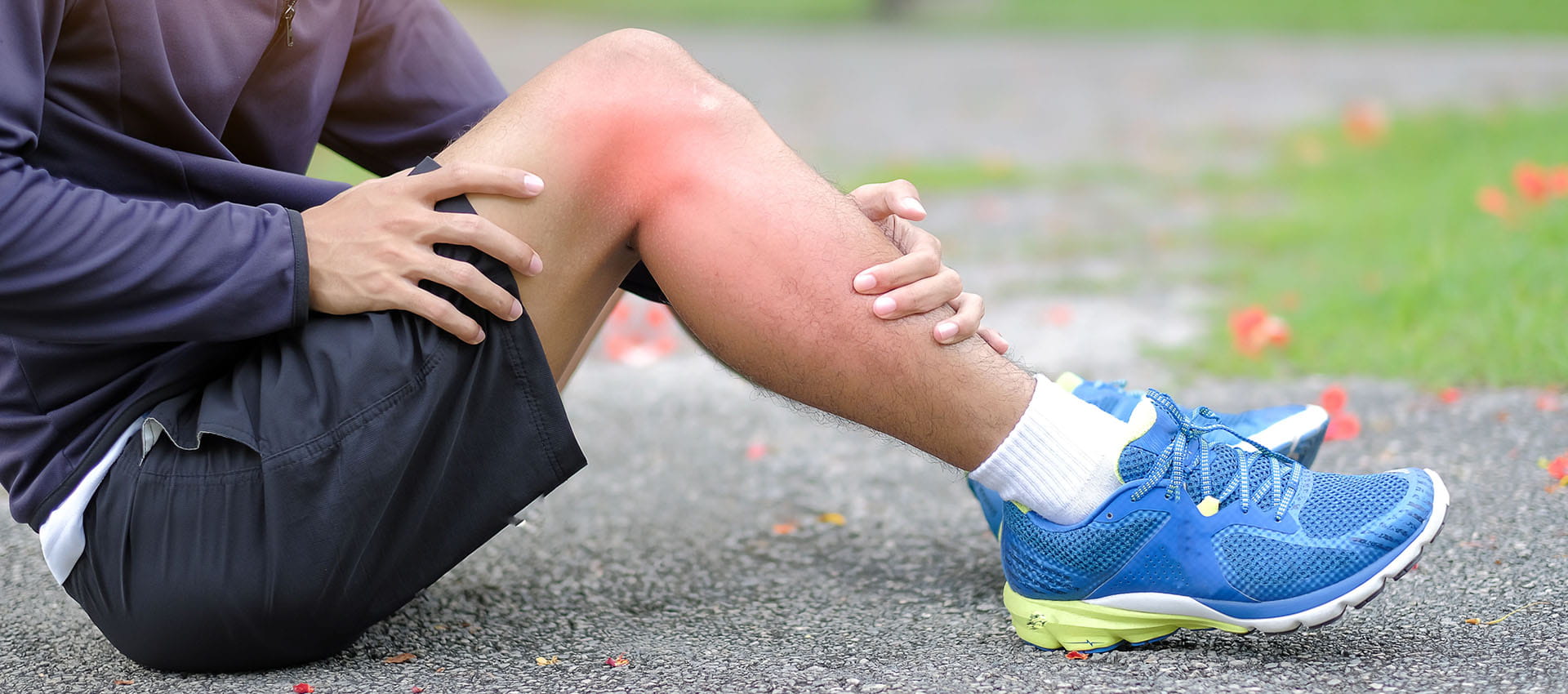
Optimising recovery is essential for any runner trying to reduce their injury risk. Most of us are aware that sleep, nutrition and stress management are the 3 most important factors that influence the recovery of muscles. Unfortunately, busy schedules, occupational stress, family commitments, as well as trying to find time to socialise with friends can often mean that something has to give. All 3 of these recovery factors are often adversely affected by the demands of modern life.
Working in a busy central London clinic next to one of the biggest financial districts meant that I saw a lot of runners who struggled to get enough sleep, who were unable to adequately manage their stress (primarily due to the endless hours of work and pressure to succeed), and who mostly ate convenience food with little thought about the nutritional value. Most of these clients would take electrolytes and have protein shakes because they were easy to consume, required almost no preparation, and replenished what they thought their body needed in terms of recovery.
Unfortunately, this approach only works for so long, and then the cracks start to show.
The London Marathon came around every year and I saw the same patterns in terms of patient injuries. When my runners approached the peak of their training, they significantly increased their training volume/mileage. It’s here where they would start to get knee, hip and/or lower back pain.
Their bodies were no longer able to tolerate the volume of training. The volume and/or intensity had surpassed the recovery capabilities of their bodies, which meant that they started to present with inflammation, tissue damage and pain. Unless adequate time is dedicated to recovery, this outcome is somewhat inevitable.
Many of these runners had been suffering with ‘niggles’ that they’d ignored for some time. They didn’t think the issue would stop them running, so they persisted. At this stage in their training, if there was a biomechanical driver, a strength deficit or an endurance issue, it was considered too difficult to address. There just wasn’t enough time to strengthen and improve load efficiency.
You have to focus on reducing inflammation and pain, resting where possible and seeing if you can reintroduce load without re-triggering the issue. Maximising recovery became a key priority. Educating patients on the power of sleep, nutrition and stress management in the latter stages of their training could sometimes get them through. But not always.
Weekly sports massages were often an essential part of our recovery strategy. These helped to keep the client’s pain under control and their bodies were able to tolerate the inflammation sustained during longer and more intense runs. I will always argue that if runners were able to focus on their recovery earlier in their training schedule, they may have been able to avoid the injury and the subsequent trips to see their physio.
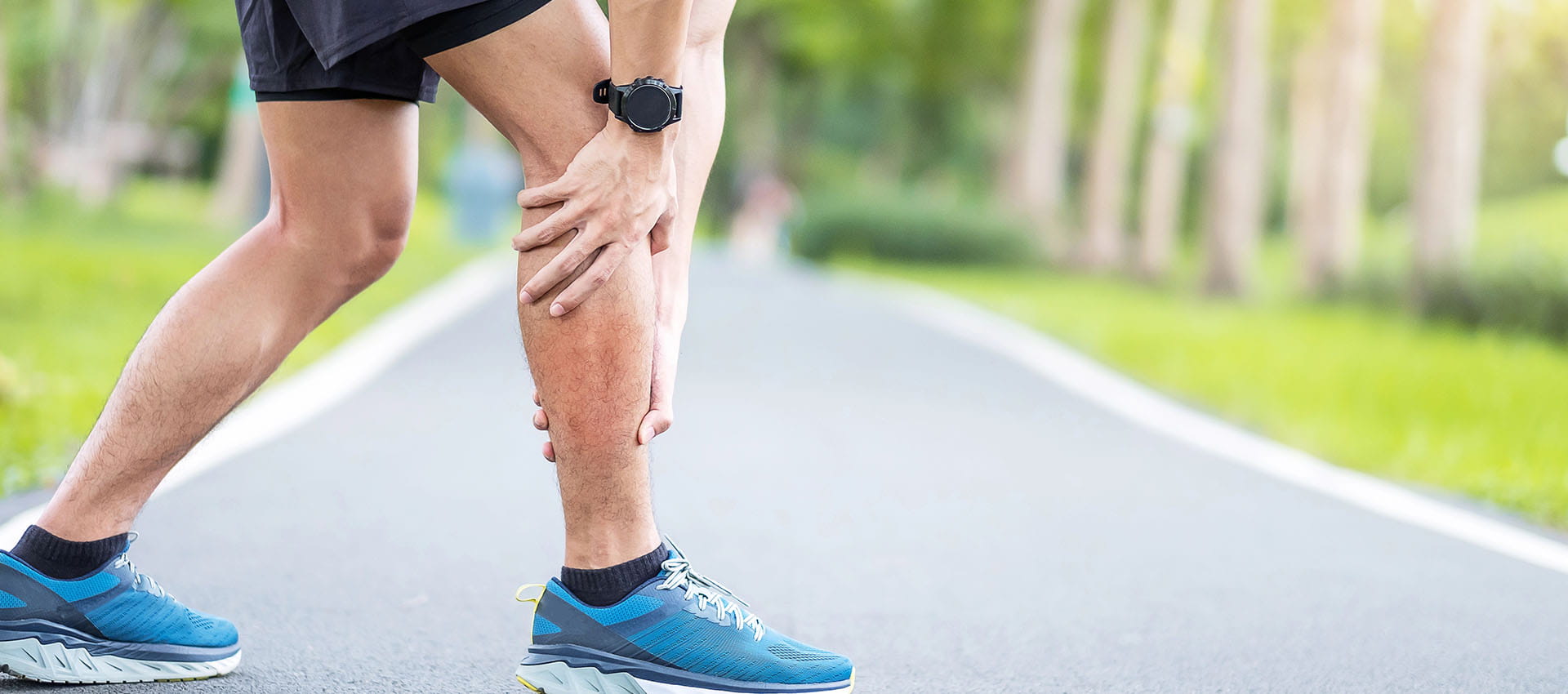
The majority of injuries are overload injuries. Repetitive loading on the same tissue, excessive linear plane movements, as well as high ground reaction forces from concrete and unforgiving terrain, increase the likelihood of significant tissue inflammation and microtrauma.
It is estimated that 4-7 times bodyweight passes through your knees when running (Lenhart, 2014) and 6-8 times your bodyweight through your feet and ankles (Scott, 1990).
As humans, we are designed to absorb that load, and we generally do it well. However, our modern lifestyles tend to work against us because we spend so much time in fight or flight mode, we sit too much, and repeat the same movement patterns. Our ability to tolerate these loads is not the same as our ancestors’.
Maximising recovery is an essential strategy that runners need to adopt if they want to avoid injury, particularly those planning a long running career. Nutrition, rest, hydration and stress management are all essential, but as we have already established, regular sports massage treatments can also be useful. Educating runners on this is key to getting them to engage with a course of sports massage. In my opinion, massage must be part of the long-term plan.
Naturally, the most common running injuries are found in the lower limb and pelvis. Knees are the most common area, followed by the shin, foot and ankle (Kakouris et al., 2021). Anterior knee pain is normally, but not always, patello-femoral pain. Medial knee pain is normally, but not always, related to medial meniscus inflammation and overload.
We mustn’t forget that referred pain from the hip often presents initially as knee pain, sometimes with a complete absence of pain in the hip itself. This can often distract clients and therapists alike.
Muscular tension and inflammation are common, either as the main driver of pain, or as a secondary issue to meniscal, ligament and even bone stress issues. Alleviating muscular tension through massage can offer immediate relief for runners who are suffering from mild tissue overload. It often allows them to take short periods of rest, before returning to running with only minimal disruption to their training schedules.
Of course, regular massage that eases tension in the muscles and enhances recovery is the most effective way of incorporating sports massage. Staying on top of muscle tightness and recovery to prevent pain from developing is always preferable.
Persistent discomfort that does not change with massage or rest may need to be investigated. Around 33% of long-distance runners will sustain a stress fracture in their lifetime (Kraus et al., 2021). As a sports massage therapist, you will want to look out for people that have experienced changes in loading patterns, who are showing signs of poor recovery, particularly not fuelling correctly, and those older runners who may have osteopenia (the precursor to osteoporosis).
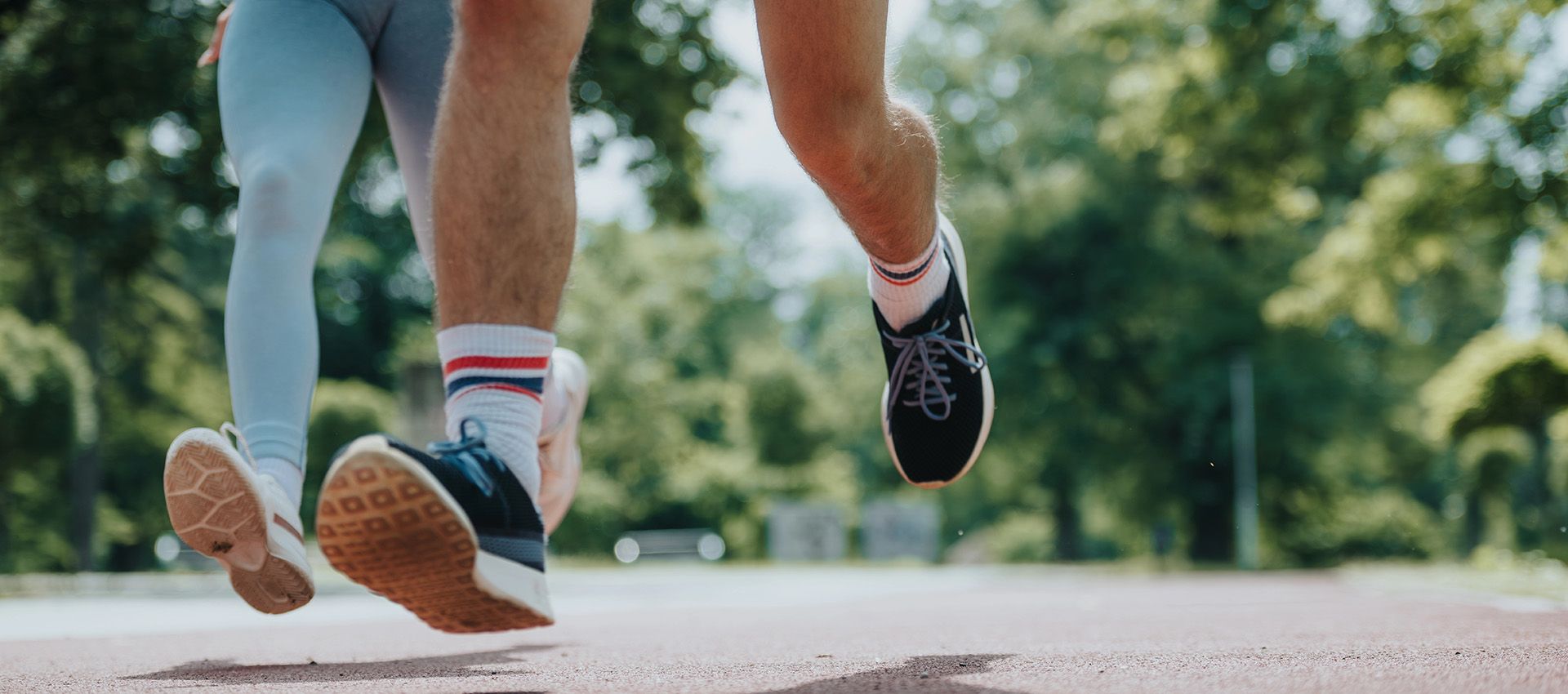
We mustn’t forget the role of footwear in the prevention of running injuries. If you’re consistently running on concrete and hard terrain, most will agree that you need a good level of cushioning to avoid undue stress and absorb ground reaction forces.
Barefoot running shoes and the infamous barefoot running movement were popular about 10-15 years ago when I was working in a gait lab. The argument for barefoot running is sound and logical in principle, encouraging natural running biomechanics and allowing the foot to spread to increase proprioceptive capability. Whilst that is true, research has consistently shown that transitioning to more of a barefoot style running shoe leads to significantly higher injury rates (Ridge et al., 2013; Ryan et al., 2014). Over the years, running shoe manufacturers have switched back to a more cushioned shoe, and the most popular shoe brands have chunky soles and an almost marshmallow-like appearance.
Interestingly, there is a slowly growing body of research looking at carbon-fibre plate running shoes and bone stress injuries in the feet. These shoes, by design, help to propel you forwards by stiffening the foot and reducing metatarsal extension during the push-off stage of gait.
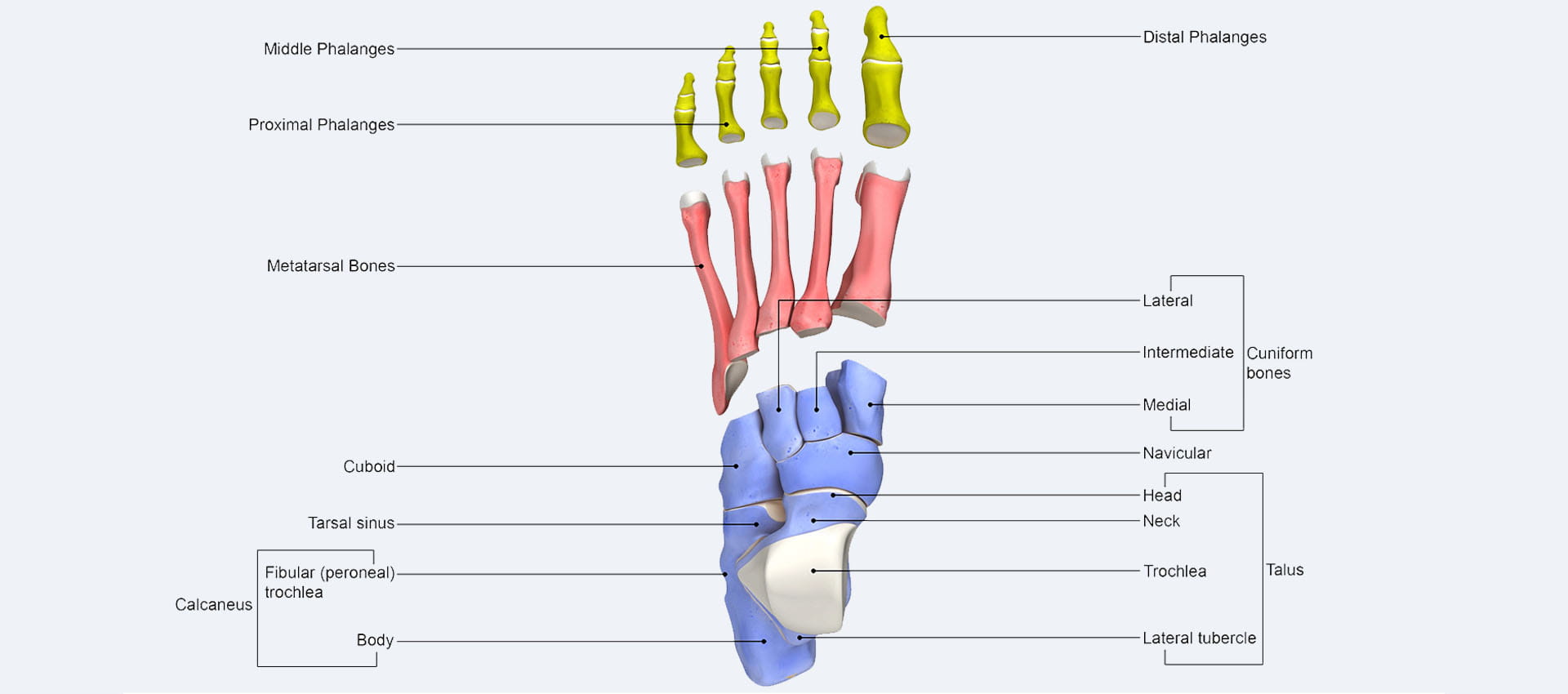
Pressure around the mid-foot increases, particularly around the navicular and metatarsals. In most people, bony resilience hasn’t had time to develop so some of these runners sustain stress fractures (Tenforde et al., 2023). I’ve seen it on more than one occasion. An extreme clinical example is a client I had in their mid-twenties who decided to switch to carbon-fibre plate shoes a few weeks before the London Marathon. He walked into the clinic post-marathon with an incredibly swollen foot and knee having sustained a navicular and a tibial plateau fracture.
Clients that run for charity have added stress and pressure to compete because they have often raised sponsorship money and feel compelled to finish. They’re always a little harder to treat and for them, not competing is often not even an option.
For clients that present in clinic a week or two before the race, the best you can offer is to release the tight muscles, maximise blood flow and recovery, and keep your fingers crossed they have enough resilience to continue training in preparation for the event. As therapists, we’ll always be there to patch them up at the end of the race, to save their tired inflamed muscles, and get them back on track to do it all again the following year!
If you enjoyed this article and want to read more like it, check out our range of sports massage articles. Alternatively, if you are interested in becoming a sports massage therapist, we have a range of sports massage courses and regulated qualifications. These qualifications are suitable for all students, regardless of their prior learning or experience.
Kakouris, N., Yener, N., & Fong, D. T. P. (2021). A systematic review of running-related musculoskeletal injuries in runners. Journal of Sport and Health Science, 10(5), 513–522.
Lauersen, J. B., Bertelsen, D. M., & Andersen, L. B. (2013). The effectiveness of exercise interventions to prevent sports injuries: a systematic review and meta-analysis of randomised controlled trials. British Journal of Sports Medicine, 48, 871–877.
Lenhart, R. L., Thelen, D. G., Wille, C. M., Chumanov, E. S., & Heiderscheit, B. C. (2014). Increasing running step rate reduces patellofemoral joint forces. Medicine & Science in Sports & Exercise, 46(3), 557–564. https://doi.org/10.1249/MSS.0b013e3182a78c3a (This study measured average peak patellofemoral joint forces at 5.76 times body weight during normal running.)
Scott, S. H., & Winter, D. A. (1990). Internal forces of chronic running injury sites. Medicine & Science in Sports & Exercise, 22(3), 357–369.
Kraus, E., et al. (2021). Epidemiology of Bone-Stress Injuries and Health Care Use in Pac-12 Cross-Country Athletes. (Data cited in 2026 epidemiological reviews on runner injury prevalence.)
Ridge, S. T., Johnson, A. W., Mitchell, U. H., Hunter, I., Robinson, E., Rich, B. S., & Brown, S. D. (2013). Foot bone marrow edema after a 10-wk transition to minimalist running shoes. Medicine & Science in Sports & Exercise, 45(7), 1363–1368.
Ryan, M., Elashi, M., Newsham-West, R., & Taunton, J. (2014). Examining injury risk and pain perception in runners using minimalist footwear. British Journal of Sports Medicine, 48(16), 1257–1262.
Tenforde, A., Hoenig, T., Saxena, A., & Hollander, K. (2023). Bone Stress Injuries in Runners Using Carbon Fiber Plate Footwear. Sports Medicine.
Back to articlesAnd discover more about the world of massage therapy
Great news, you're on the list...