A birds eye view of a female looking down at a PT handbook
Page banner in block colour

Personal Training Resource Centre

Whether you're exploring a career in personal training, studying for a qualification or looking to develop your knowledge as a fitness professional,
our Personal Training Resource Centre is here to help. Discover expert guides, practical advice and evidence-based articles covering exercise science,
nutrition, coaching, business skills and career development.

Latest Articles

9 min Read

What is the Best Exercise for Fat Loss? HIIT vs Cardio vs Weights

Discover the best exercises for fat loss, including cardio, HIIT and resistance training. Learn what the research says and how to build an effective fat loss programme.

20 min Read

Retatrutide and the Future of Obesity Treatment

What is Retatrutide: The evidence, potential benefits and remaining uncertainties.

10 min Read

Menopause Exercise: Benefits, Symptoms & Evidence-Based Training

Menopause exercise helps reduce symptoms, protect bone and muscle health, and support long-term wellbeing. Learn evidence-based training strategies.

9 min Read

A Guide to Fitness-Related Markers of Longevity

Discover key longevity markers like VO₂ max, grip strength and gait speed, and how you can use them to assess client health.

8 min Read

What Your Grip Says About Your Health, Longevity, and Performance

Grip strength is a powerful indicator of health, ageing, and performance. Explore what the research shows and why it matters for long-term wellbeing.

7 min Read

Training superheroes: inside the gym with personal trainer Luke Worthington

Luke Worthington, a personal trainer specialising in actor preparation for film and television, shares insights in this exclusive Q&A.

8 min Read

New approaches to exercise and high blood pressure

Does exercise lower blood pressure? We explore what the science says about the most effective types of exercise for high blood pressure.

6 min Read

Metabolic resistance training: A guide for aspiring personal trainers

Learn the science and practice of metabolic resistance training (MRT) for fat loss, performance, and client results. Essential knowledge for personal training students and new trainees.

9 min Read

HIIT and fat loss: What every personal trainer needs to know

Explore the science behind HIIT and fat loss, compare it to traditional endurance training, and learn how personal trainers can use it safely and effectively with clients.

Personal Training FAQs

  • What does a personal trainer do?

    A personal trainer helps clients improve their health, fitness, and wellbeing by creating personalised exercise programmes, usually in the gym but not exclusively. They coach clients during training sessions, monitor progress, and offer nutritional guidance to help clients achieve their training goals.

    The role combines detailed knowledge of human anatomy and physiology with applied training principles to ensure clients get the most out of their training. To succeed as a personal trainer, you also need strong communication, motivation, and relationship-building skills.

  • Is personal training a good career?

    Personal training can be an incredibly rewarding career for those who are passionate about exercise and enjoy helping others achieve their goals. It can also be financially rewarding for those who are ambitious, although this is not always the main reason people choose to become a personal trainer.

    Personal training can be a varied career that allows you to meet lots of interesting people from different walks of life. As a personal trainer, you will need to build meaningful relationships with clients to support them on their fitness journey, and continue to develop your knowledge and expertise, so that you can make a genuine difference to people’s lives.

  • What skills does a personal trainer need?

    Successful personal trainers need more than just knowledge of exercise and fitness training. Personal training is a people-first profession, so having strong people skills, also known as soft skills, is essential. This includes the ability to communicate clearly, show empathy, be non-judgemental, and present yourself as a role model and ambassador for the wider sector.

    A professional personal trainer conducts themselves in a way that supports their clients’ motivation, inspiring them throughout their fitness journey. Having these skills will help you build trust and deliver a high-quality coaching experience to clients.

  • Can I become a personal trainer without previous fitness experience?

    Yes. Many personal trainers begin their journey with no experience at all, and just a passion for exercise and fitness training. It’s quite normal for them not to have any actual coaching experience.

    You will need to have some experience of training yourself in a gym environment, ideally using a range of equipment (e.g., cardio machines, free weights, kettlebells). It’s also a good idea to speak to a few personal trainers first, and maybe even have a couple of PT sessions yourself so you can see what it’s all about.

    With the right education, practical training, and commitment to continued professional development (CPD), you can build the knowledge, develop the skills, and get the confidence needed to start a successful career in the fitness industry.

  • What can I do with a personal training qualification?

    The right personal training qualification can open the door to a wide range of opportunities within the health and fitness industry. Whether you want to work as a personal trainer in a gym or health club, build your own client base, specialise in a particular area of fitness (e.g., female fitness coaching, strength and conditioning, body transformations), or work as an online coach, the right personal training qualification will give you the foundations you need to get your career off to a flying start.

  • How important is continuing professional development for personal trainers?

    The fitness industry is constantly evolving, so ongoing learning is essential. Continuing professional development (CPD) allows you to keep your knowledge up to date, broaden and deepen your scope of practice, and develop specialist knowledge and skills that will set you apart from your competition. The industry expects trainers to be up to date with the latest research and best practices, so you will want to ensure you complete regular research, training, and developmental workshops.

  • What areas can personal trainers specialise in?

    Personal trainers can develop expertise in areas such as strength and conditioning, body transformations, nutrition, pre- and postnatal exercise, exercise for older adults, inclusive fitness initiatives, and many more. Choosing a specialist area can really help you to make your career more interesting. If you choose a path that really interests and excites you, your work will feel less like work and more like leisure.

    Our advice would always be to find your passion, then work as hard as you can to become an expert in that specific area. This is the best route to having the most fulfilment and success in your future career.

  • How do personal trainers get clients?

    This depends on where the personal trainer is working.

    Those working in a gym or health club tend to focus on networking with members, providing taster sessions, inductions, and group classes, as a means of establishing themselves and their expertise.

    Self-employed trainers working outside of the big box gym chains tend to spend more time marketing their services online or via social media, as well as networking with people who may be interested in their services. Most personal trainers grow their client base by building a strong reputation within their community, both for results and for being able to develop meaningful, client-centred relationships.

Take the Next Step Towards Your Personal Training Career

Turn your passion for fitness into a rewarding career with our personal training courses. Gain the skills, knowledge and qualifications needed to support clients and succeed in the fitness industry.

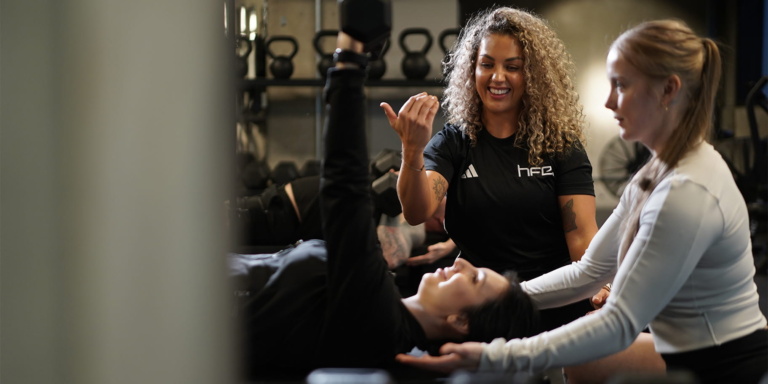
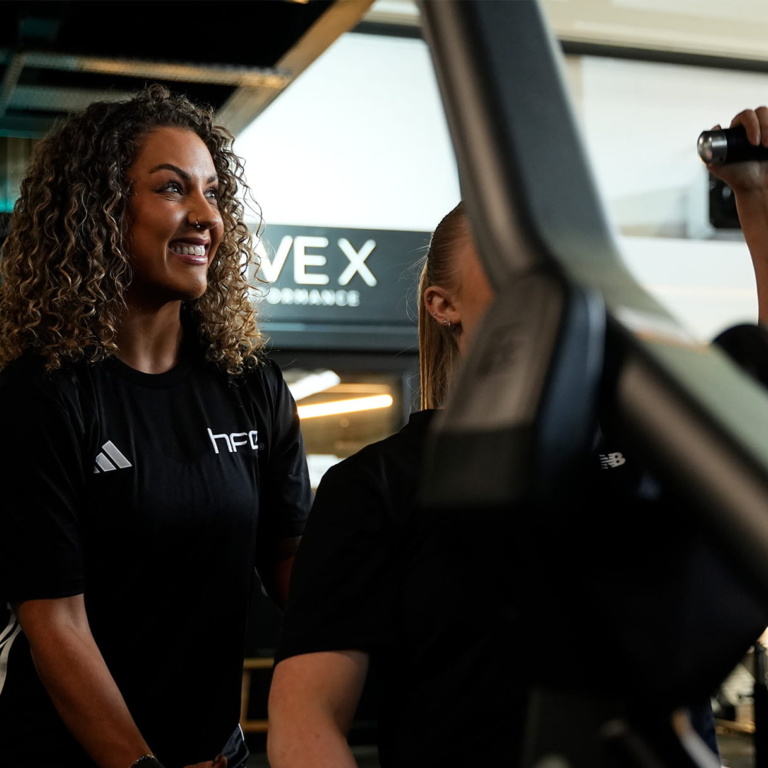
HFE Personal Training Course Tutor in the gym

Take Your Personal Training Knowledge Further

Sign up for expert tips, career advice, fitness insights and the latest resources to help you progress as a fitness professional.

Great news. You're on the list.

Back to top
Privacy Overview

This website uses cookies so that we can provide you with the best user experience possible. Cookie information is stored in your browser and performs functions such as recognising you when you return to our website and helping our team to understand which sections of the website you find most interesting and useful.