Developing Your Niche as a Personal Trainer
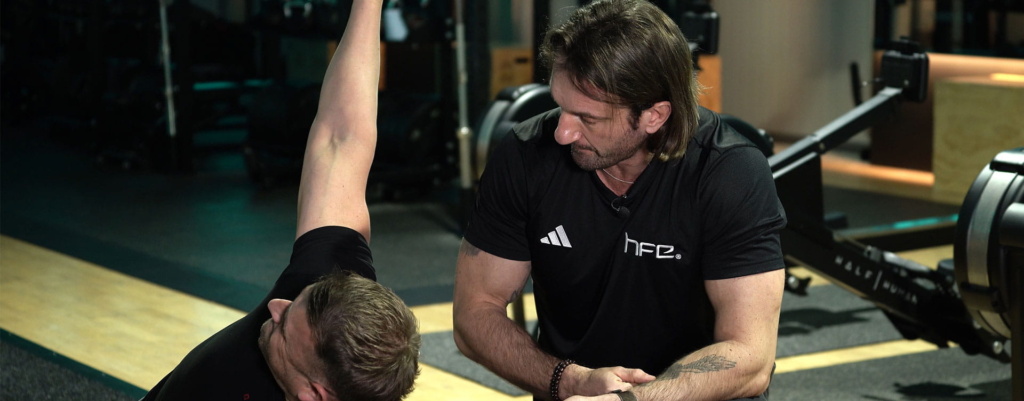
Luke Worthington shares his advice on finding your niche and building a successful career as a personal trainer.
Luke Worthington shares his advice on finding your niche and building a successful career as a personal trainer.
Calling yourself an expert is easy. Gaining expertise takes time. World-renowned personal trainer, Luke Worthington, knows this all too well. With over 25 years in the personal training business, he has some incredible awards under his belt, including ‘Best Personal Trainer in London’ and ‘Best Personal Trainer in the World’.
His specialism? Actor preparation. Collaborating with some top studios such as Disney, Netflix and Marvel (aka training superheroes), his knowledge in finding your niche and building upon it is to be admired.
So, whether you’re a personal trainer looking to specialise in a particular area, or you’re still looking for your niche to build on, this how-to-guide, along with our range of exercise specialist courses, will give you all the insight you need to start your career.
There is an important difference between choosing a niche and becoming a specialist. A niche might describe the type of client you want to work with, but a specialism should describe an area in which you have developed a genuine depth of knowledge, experience, expertise, and practical skill.
A genuine specialism develops through repeated exposure to a particular set of problems: working with them, studying them, making mistakes, refining your approach and gradually developing a level of understanding, methodology, and problem solving that goes beyond general competence.
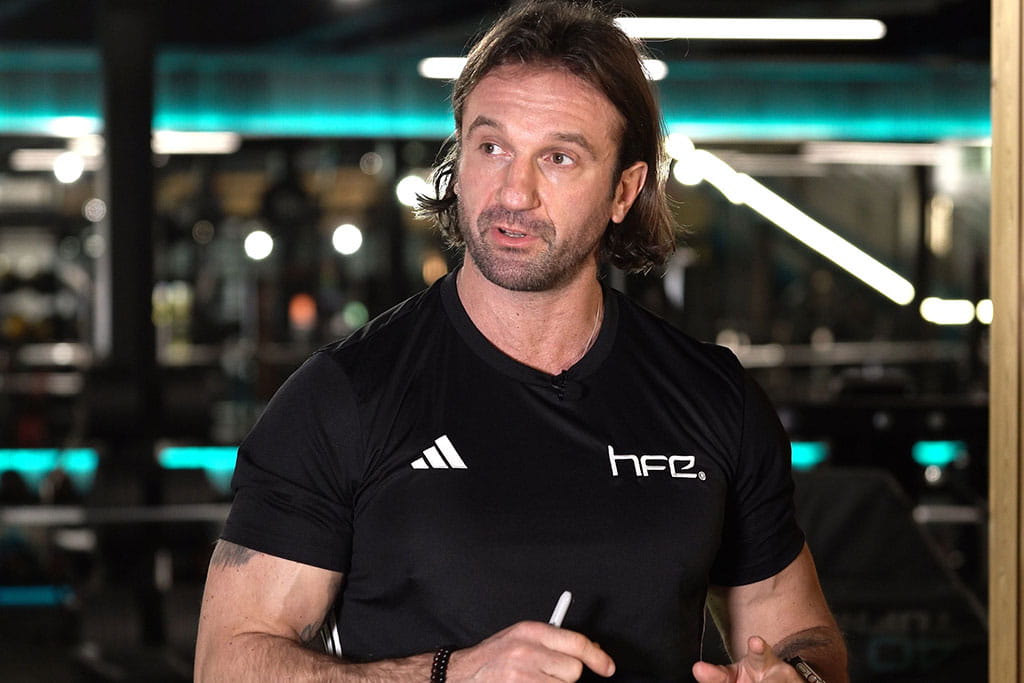
That distinction matters in personal training because clients are rarely as simple as the category we put them into. Being “a trainer for actors”, “a women’s health specialist” or “a transformation coach” tells us very little about the actual skills required to work effectively with those populations.
A specialism isn’t simply who you work with. It’s what you have become particularly good at understanding and solving.
There is a lot of business advice telling personal trainers to “pick a niche” as early as possible. I think that often gets things the wrong way around.
Early in your career, breadth is valuable. Working with different people, different goals and different challenges gives you the opportunity to build your fundamental coaching skills and, just as importantly, discover the areas you are genuinely interested in. My advice in the early years of coaching is to work with as many different types of people as you can.
Over time, patterns start to emerge. You find yourself drawn towards particular problems. You start reading more about them, seeking out further education and gaining more experience working with them. Other professionals begin referring those types of clients to you, and clients start seeking you out for the same reasons. That is a much more meaningful way for a specialism to develop.
My own career followed that path. I didn’t make a decision one day to become a specialist in physical preparation for film and television. My academic background, coaching experience and work in strength and conditioning gradually led to opportunities within that environment.
Each project then exposed me to new problems and required me to develop new skills. The niche came from the work, rather than the work coming from the niche.
Once an area of specialism begins to emerge, the priority should be developing the skills to support it rather than simply finding ways to market yourself within it.
Start by working backwards from the demands of the role. What do you actually need to know to be good at it? What problems are you likely to encounter? Where does your existing knowledge fall short? The best way to achieve all of this is to actually spend time within the environment you want to serve. If you want to do marathon prep, join a local run club. If you want to work with football players, then volunteer at a youth team.
Formal education and qualifications can provide part of that foundation, but becoming a specialist requires more than collecting certificates. Look outside the traditional boundaries of personal training and consider the other disciplines that overlap with your chosen area. Seek out relevant CPD, read widely, learn from people with expertise that complements your own, and develop a network of professionals you can refer to and learn from.
Most importantly, find opportunities to apply that knowledge. There is a significant difference between understanding something academically and being able to use it effectively with a real person, particularly when circumstances are less than ideal.
The more experience you accumulate, the more specific your questions become. Those questions then direct the next stage of your learning. A useful way to think about expertise is that the more you develop, the more aware you become of what you still don’t know.
A specialist needs to understand more than the training goal. They need to understand the context in which that goal exists. Two clients may appear to have exactly the same objective on paper, but require very different approaches because of the demands surrounding them. Understanding those demands is part of developing expertise within a niche.
In my own field, physical preparation for film and television isn’t simply about getting an actor into a particular physical condition. The training has to exist alongside rehearsals, stunt work, costume requirements, travel, long and sometimes unpredictable shooting days, injury management and recovery. There may also be a specific aesthetic requirement for a character, and that requirement can change as the production develops.
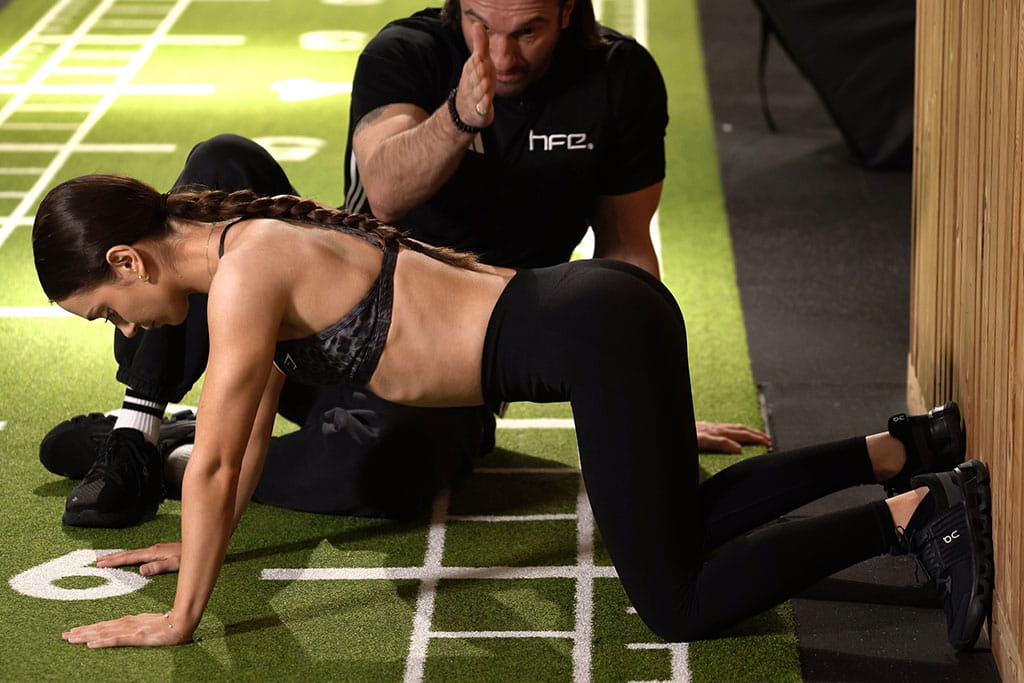
That means the theoretically “best” training programme may not be the best solution. The job is to understand which variables matter most, which compromises can be made and how to adapt when circumstances change.
Every niche has its own version of this. The more time you spend working within a particular environment, the better you become at understanding the problems that aren’t obvious from the initial brief. That contextual understanding is a large part of what separates specialist knowledge from simply knowing more exercises.
Once you have developed expertise in a particular area, you obviously need people to know that you offer it. But there is an important difference between communicating a specialism and trying to manufacture one.
Social media, websites, articles and other forms of content can all be useful ways to demonstrate knowledge and make your work visible, and they should amplify the expertise that already exists rather than substitute for it.
Some of the strongest indicators that you are becoming established within a niche happen away from public-facing marketing. Existing clients recommend you to others with similar needs. Other professionals refer people to you because they trust you with a particular problem. Previous clients come back, and organisations that you have worked with ask you to work with them again.
Over time, that creates something much more valuable than simply describing yourself as a specialist: other people begin to describe you that way. That reputation takes longer to build than a personal brand, but it is also much harder to replicate. It is based on the quality and consistency of the work itself.
Marketing can tell people what you do. Your track record is what gives that message credibility.
Developing a specialism doesn’t mean abandoning the broader skills that made you a good personal trainer in the first place. In fact, the more specialised your work becomes, the more important those foundations can be.
Clients don’t arrive as isolated examples of a particular niche. They bring different training histories, lifestyles, injuries, preferences, limitations and expectations with them. Whatever your specialist area, you still need to be able to coach the individual in front of you.
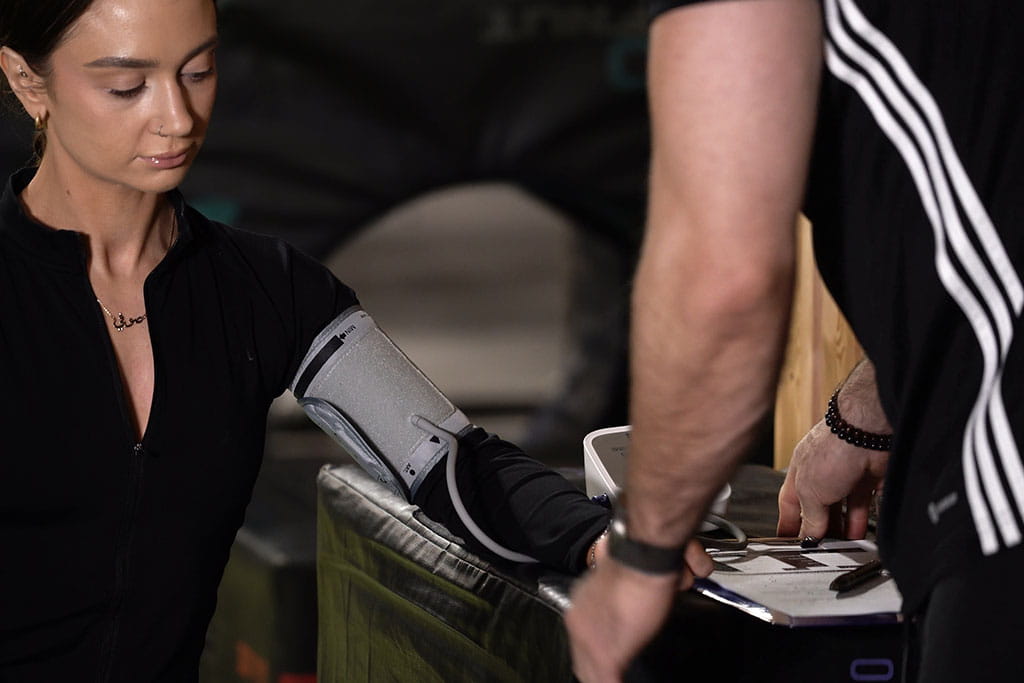
There is also a danger that once we become heavily invested in a particular methodology or area of expertise, we start to view every problem through that same lens. A specialist should have more options available to them, not fewer.
Maintaining breadth also means recognising the limits of your own expertise. You should understand where your professional scope ends, when another practitioner is better placed to deal with a problem, and have a network of people you trust enough to refer to. The aim isn’t to know everything about everything. It is to maintain a strong general foundation while developing exceptional depth in the area you have chosen.
Ultimately, a good specialist should be defined not by how narrow their knowledge has become, but by how much depth they can bring to the right problem.
Follow in Luke’s footsteps and start your personal training career today with our range of industry-leading personal training courses. Our expert-led training, qualifications and programmes will help you to become one of the best personal trainers in the business. Already a PT? Find your niche today with our exercise specialist courses; from supporting clients through the menopause, through to obesity and diabetes.
Back to articlesAnd get the fast-paced world of personal training delivered straight to your inbox every week
Great news, you're on the list...