If you’re reading this, you’ll probably be here for one of three reasons:
- You read our nutrition articles all the time (and if so, thank you, your support means the world);
- You are someone who meets criteria 1 and have been asked to read it because I asked them to at the end;
- You found this article searching the internet, or an AI agent presented it to you in a search.
If you’re person #1, I’d love you to read on even though you are probably doing a lot of this stuff anyway. There are some things you may have missed and so you could benefit. Moreover, full disclosure, at the end I’m going to ask you to show it to friends, family or other people that you feel may benefit from reading – and I want you to make sure I’m not just making shit up or selling stuff before you do.
If you’re person #2, welcome, it’s amazing to have you here. This blog was written for you because I think it will clear up a hell of a lot of stuff that has been muddied by the bloggers, fitness gurus, personal trainers and celebrities who put out more content per day than any human being could ever read. All of this cross-talk is confusing, and that’s made even worse by the fact that most of what you read was pulled straight out of the author’s arse.
Gwyneth Paltrow is a major figure in online health, and she now sells a spray to protect you from psychic vampires, and stickers you can put on your tableware to align the energy fields of your food. I’m not going to link to Goop, her company, but that’s not hyperbole…
At a less ‘batshit crazy’ level, there are a lot of seemingly well-meaning folks giving out what appears to be decent advice. Bodybuilders tell you how to train like them, then powerlifters argue against it by advocating their methods. Joe Wicks wants you doing burpees in your front room and I’d wager at least one of your friends (who probably has a top knot and/or beard) has encouraged you to try CrossFit.
Then on the nutrition front, there’s the low carb folks with their insulin thing, mainstream nutrition with the anti-sugar thing, the fasting folks with their magical timing technique, the paleo people with their wooden clubs and the vegans with all of their lentil-powered antagonism of anyone who eats steak.
It’s all a bit weird, isn’t it?
Now sure, if you want to be great at a certain sport – powerlifting, bodybuilding, sprinting, hula-hooping – then train for that sport. And if you want to be fuelled well for that sport, or in extremely great but hard-to-maintain shape then eat for that. This is not a blog about that.
What I’ve come to understand from talking to non-fitness-industry people is that most folks couldn’t give less of a toss about being in the best possible shape. Most people don’t really want to be the strongest, the fastest, the greatest, the leanest or the most able to do muscle-ups. Most people just want to go to the gym as infrequently as possible while still maintaining good health, and they want to enjoy it while they’re there. Most people want to eat a diet that’s not too far removed from “whatever I want to eat”, but which will help them live longer and not feel bad with their kit off.
Most people don’t want excellence, they want to be healthy – and I’m going to show you how to do that.
What is health?
Before we talk about health, we need to define terms. Health, as defined by the WHO, is “a state of complete physical, mental, and social well-being and not merely the absence of disease or infirmity” (1). This tells us two things. First of all, high levels of athletic prowess, 6 pack abs, a thigh gap and big arms aren’t needed to be healthy, and second of all – the second one of these three pillars grows so big that it knocks over either of the other two, your balance of health is lost.
Now, I’m no clinical psychologist and I’m no CBT practitioner, so there is a very limited amount that I’m really able to say about the mental and social wellbeing side of things. That’s not to say, however, that there aren’t things that most folks would be better off doing in terms of both of these different markers of health – I’ll refer back to these as we go.
The first part, though, “A complete state of physical…wellbeing” – that I’m totally down with. My aim here is to outline exactly what you need to do from a lifestyle perspective to give yourself the greatest possible chance of achieving this complete state with the least possible level of effort. I say the best possible chance because, unfortunately, a lot of what plays into health isn’t something we can control – our genetics influence life expectancy, disease risk and our susceptibility to psychological issues to an enormous degree, and there’s literally nothing you can do about that. Fortunately, not being able to do anything about it means that we can more or less ignore it for practical purposes. If 60% of what influences your health is out of your control, that just means you need to double down on the 40% that you can. (Numbers just used for illustration.)
Least possible level of effort, rather than ‘no’ effort, because this quite literally isn’t just a cakewalk. Depending on the point at which you are starting, there are some things that you may need to change more than others, and there is a chance that some of those changes may be a bit of a pain. Nothing I’m going to suggest will be asking a lot of you, but there are some things that may be easier to implement than others – I want to set that expectation fairly from the get-go. I’m not here to train you to run marathons, but sitting on the couch and watching TV throughout all of your free time isn’t a great way to achieve health, either. The good news is that you have the rest of your life to implement all of this stuff, and it’ll make you feel so much better that you’ll probably want to crack on doing it anyway.
As a final disclaimer, this is more than likely not the ONLY way to be as healthy as you can be, but in my opinion, it’s the easiest. Let’s crack on…
How can we improve health?
I’m going to describe health improvement tools in terms of three broad categories, namely:
- Physical Activity
- Nutrition
- Other stuff
We’ll take each in turn, and go through exactly what you need to do to be as healthy as you can be. One more time for full clarity – here you won’t find training programming that will gain you the most muscle possible, the most strength possible or the most of anything else. You also won’t find the dieting strategy that will get you into photoshoot shape. What you will find is practical advice that the everyman/woman can use to get healthier, and stay that way for as long as possible.
Let’s start with physical activity.
Physical activity for health
Part of the problem with finding advice around exercise and health, is that the market is saturated with advice around how to exercise to lose weight (which is usually BS), or how to build muscle/strength (a little better, but not without a fair share of BS of its own). When it comes to health, the recommendations from the WHO are, in my eyes, the best places to look.
These are as follows (2):
- Adults aged 18-64 should do at least 150 minutes of moderate-intensity aerobic physical activity throughout the week or do at least 75 minutes of vigorous-intensity aerobic physical activity throughout the week or an equivalent combination of moderate- and vigorous-intensity activity.
- Aerobic activity should be performed in bouts of at least 10 minutes’ duration.
- For additional health benefits, adults should increase their moderate-intensity aerobic physical activity to 300 minutes per week, or engage in 150 minutes of vigorous-intensity aerobic physical activity per week, or an equivalent combination of moderate- and vigorous-intensity activity.
- Muscle-strengthening activities involving major muscle groups should be done on two or more days a week.
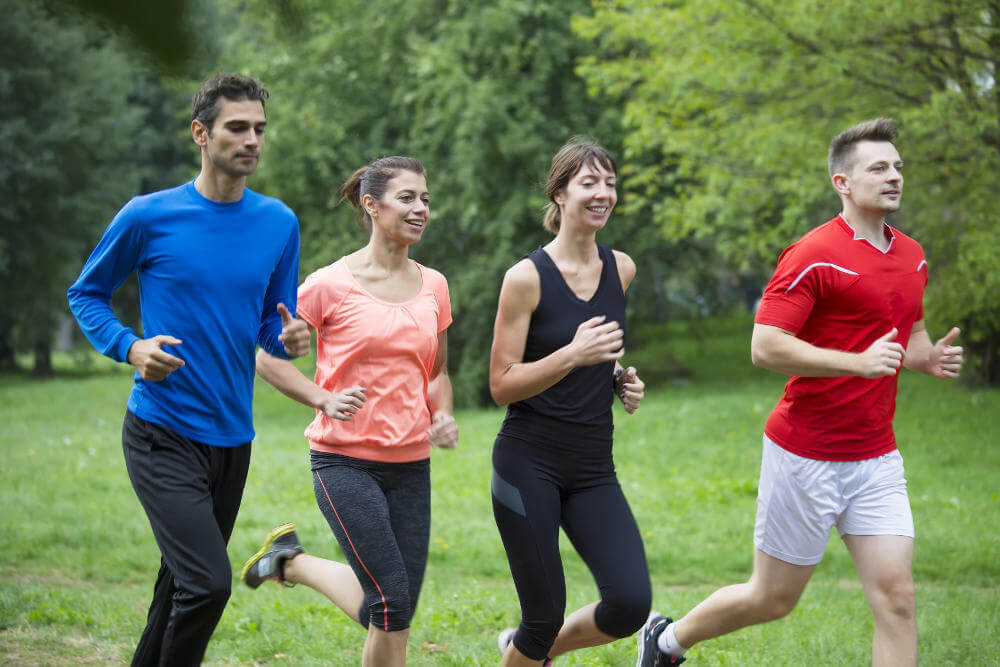
This amounts to 30-60 minutes of aerobic activity per day, 5 days per week. Moderate intensity aerobic activity includes all of the usual things – jogging, riding a bike, playing sport etc, but they also include gardening and even brisk walking. To practically implement the higher end of this scale, I always recommend tracking your steps and aiming to hit 10,000 per day, with at least some of that coming from a brisk 30 minute walk.
Why is daily exercise important? Because extended periods of inactivity or very light activity are independent risk factors for a larger waist circumference and the cluster of associated cardiometabolic issues; regardless of periods of exercise according to an Australian research group (3). What that means is that going to the gym for a 30 minute spin class does not buy you a day on your ass – it’s still important to move around throughout the day.
The above could be added to by including some more intense exercise, because the same group from above noted that independent of waist circumference, moderate to intense exercise was associated with improved blood triglycerides. This means a lowered CVD risk and fewer tuts from your GP.
So, so far we have mentioned walking 10,000 steps per day (or at least 5 days per week) and maybe working up a sweat a couple of times during the week. The first half of that is a great place to start, and you can always add in some more intense stuff (such as running, bodyweight circuits or boxing training) later. By far the best way to do this is to do it with other people. Find a park run, find some local hiking places, get a dog that needs exercise or take the kids out for a kickaround. This stuff doesn’t need to be exercise in the strictest sense, it needs to be activity – your health will improve whether you get that activity from walking with a podcast or playing Frizbee.
On top of that, you would ideally do some resistance training twice per week. This isn’t because ‘it’ll get you jacked, yo’. It’s because resistance training reduces your chances of sarcopenia (4), osteoporosis (5) and diabetes (6), as well as improving your subjective wellbeing (7, 8). That’s on top of the more obvious benefits, such as increased muscle strength to help you maintain normal activities of daily living, increased joint support and balance so injuries are less likely during sports or other activities (9) and falls (10) are less likely in old age, and reducing your chances of chronic pain, or the severity of it once it sets in (11,12,13). Not bad, hey? So how do you actually go about doing this?
There are a million different programs available online, but the one below one is more than enough to improve all of the measures needed for health improvement. A personal trainer or gym instructor would be able to help you go through these workouts safely and effectively until you get used to the movements, and of course it’s always worth checking with a physio or other health professional if there are any particular contraindications that you feel you may have for exercise.
Session A
- Leg Press
- Trap Bar Deadlift
- Seated Row
- Bench Press
- Standing, one-arm dumbbell shoulder press
Session B
- Static suitcase lunge
- Glute Bridge
- Pulldown (or pull-up)
- Standing barbell overhead press
- Seated or Lying Hamstring Curls
Warm up with a very light weight, then do each movement for two sets of 10 reps with a weight that is challenging. Next week, do three sets with the same weight, then the following week do four. In week four, decrease the weight by 15% and drop back to three sets. The following week, increase the weight (the higher weight you were using before the reduction) by the smallest available increment and drop back to two sets, then three, then four. Repeat over time.
If it gets too heavy, take 10% off the exercise you get stuck at and go again. Rest for one to two minutes between sets, and always prioritise form and a full range of motion over weight. Again, see if someone can help you go through each movement.
If you feel that this is getting stale, if you want to do more, or if you hit a point where you can’t add weight and keep getting stuck but want to improve, look for another program. This will get you a long way, however, and should take 30-60 minutes depending on which week you are on. That’s 60-120 minutes per week.
Something you could do to spice this up a little would be to add a little bit of high-intensity activity after you have done your main work or to break it up over three days (however you like) and spend some time at the end of the session doing something fun. Finding a training partner is a huge help, too, because training alone is a little boring and it’s always great to have a gym buddy.
So that really is about it. Go for a walk at least 5 times per week at a reasonably brisk pace. Ideally hit 10,000 steps per day, and hit the gym twice per week for up to an hour. This may seem a lot at first but work up to it; Rome wasn’t built in a day. Very soon, though, you’ll find that you look forward to your workouts because of how much better you feel, and at that point everything gets so much easier.

Nutrition for health
Now we get to the topic that is probably more controversial than any other – nutrition. Fortunately, the reason that nutrition is so controversial is due to nothing other than marketing. It’s a closely guarded secret in many health and fitness circles that it actually matters almost not a jot which dieting protocol you follow because they all have certain things in common: certain things that actually matter.
The problem is, these tips (which you will read in a moment) take around 15 minutes to write, around 5 minutes to read and not a great deal of effort to implement. That means that nobody can make money by selling secrets, tricks or hacks.
I won’t waste your time listing all of the different nutritional myths because that would fill a pretty damn big book. If you want to read them, we post one per week on our Facebook page.
What I’m going to do instead of telling you what not to do, is tell you what every single successful diet in the world has in common. All you need to do is this:
- Eat an amount of food that allows you to maintain a healthy weight. This means that you need to eat the number of calories that gets you there (whether that is lighter or heavier than you are now), and then eat the number of calories it takes to stay there.
- To find this out, there are a ton of different ways, but the most straightforward is to take your weight in lbs and multiply that by 14-16. That’s somewhere around your ‘maintenance’ calorie intake. If you need to lose weight, subtract around 10-20% from this (depending on your hunger tolerance) and eat that until you get to your healthy weight, then recalculate. If you need to gain weight, add 10% or so, then recalculate.
- Your healthy weight will correspond somewhere close to your theoretically ideal BMI.
- Your ideal waist circumference will be less than 94 cm for men and less than 84 cm for women (give or take).
BMI isn’t all that great on an individual level because it doesn’t account for muscle mass or bone density, but as those this article was written for aren’t resistance-trained, it’s safe to say that their BMI will be at least something of a decent starting point.
If you’re not at a healthy weight, your risk of health complications will be higher than that of someone who is, if everything else is equal (14). This doesn’t mean you will automatically be unhealthy now if you are over- or underweight, but being a smoker doesn’t mean you’re unhealthy either – yet.
Eat predominantly whole foods. Your diet should be comprised primarily of:
- Vegetables
- Fruits
- Root Vegetables
- Lean Meats
- Fish
- Unsweetened dairy and eggs
- Whole Grains
- Beans and Legumes
As well as some of the usual sundries like spices, herbs and sparingly applied olive oil. This is easy to do once you get comfortable with recipes but again, as above, you have the rest of your life to perfect it. The BBC Goodfood site is great for healthy recipes, so check that out as there are literally thousands to choose from. When looking at other places, be wary of gimmicks (low fat, high fat, low carb, high carb), corporate deals (Slimming World push various different brands like Muller because they make money from them), extremism (THIS WILL KILL YOU), diets with names (Paleo, Zone, South Beach) and arguments from emotion or morality (Eating XYZ is bad and not clean).
- Eat stuff that’s not in the list above, really, really sparingly. Chocolate is fine. Beer is fine. Wine is fine. All that good stuff is A-OK, but it shouldn’t be a mainstay in your cupboards, and you don’t need it every day. As a rule of thumb around 10-20% of your meals can come from ‘junk’, which (if you eat 3 meals per day) is around 2-4 meals per week. These meals should be enjoyed without a hint of guilt, but they should be calorie controlled within reason almost all of the time. ‘Cheat days’ are for diets that don’t let you eat 2-4 junk food meals per week
- Have protein with all of your main meals. This means lean meat, eggs, fish, high-protein dairy like Greek yoghurt, protein powder and beans/legumes. About a palm-sized portion of meat is great; go with a measuring cup of beans, legumes or yoghurt and around 30 g of protein from powder (however much that is).
If you can do this with your snacks too, great, but you don’t have to. Protein is useful for body composition (so the amount of fat you have versus muscle) (15, 16), blood glucose control (17) and hunger/craving control (18), so it’s not just about guys wanting to be huge and ripped. In short, eat your protein.
On top of this, each main meal should have at least one but ideally two to three servings of fruit or veg. A recent review found that 800 g of fruit and veg was the best intake for reducing your chances of CVD and cancer (19), so you need to treat these as part of the meal rather than a garnish. Again, check out recipes if you’re not a fan of veg – plain steamed or boiled veggies always taste awful, but with some interesting cooking methods and a few herbs and spices, they can be a real treat.
- Eat two to three main meals per day. Eating once per day is a poor idea as it can result in extreme hunger and overcompensation (as well as lagging energy). It’s also a recipe for nutritional deficiencies because it’s just about impossible to eat the 800 g or so of varied vegetables that I just mentioned in one sitting. Conversely, eating four or more main meals per day often leads people to overeat. Instead, have two or three main meals (breakfast is optional) and then one or two planned snacks if you really need to.
- Snacking should be minimised. Most folks don’t overeat at mealtimes; they overeat due to snacks in between their meals. Cut these down as far as you possibly can – then, if you need a snack at some point in the day (I like a snack in the evening before bed, for example), plan it in so you don’t just grab a bag of Doritos.
- If there are foods you struggle to control yourself around, just don’t bother buying them. Sure, you can resist the cookies for a while, and you might be able to have just one for a week or so, but eventually you’ll crack. It’s easier on you to just miss those foods for like a week until you forget about them.
- Stay hydrated. Drink when you’re thirsty, and drink only calorie-free things almost all of the time. Liquid calories don’t fill you up like solid food calories do, but they count just the same. Drinking keeps you alert, focused and raring to go, so start with a glass with every meal, a glass upon waking and a bottle during your walk.
- If you really want to supplement, Vitamin D if you live outside of the tropics (21) and Fish Oil if you don’t like oily fish (22) are your two best bets.
And that’s about it. Meal timing, meal skipping, superfoods, ‘fattening foods’ and ‘chemical shitstorms’ aren’t really a thing, and organic, non GMO food is more expensive…and that’s about it. Stick with the above rules and the rest largely doesn’t matter. Sure, you may eat more carbs than you ‘need’, or more fat sometimes because you aren’t really keeping track of that stuff, but provided calories and protein are in line, nutritional approaches from across the entire spectrum all lead to roughly the same outcome, especially in terms of fat loss (20).
Moreover, unless you’re engaging in a lot of resistance training, you don’t necessarily need as much protein as most fitness folks say you do so your 3 or so good portions per day will be enough. You do need some, but a cursory glance at the diet of Okinawans or the people in Loha Linda, California (two of the longest-living populations on the planet) tells you that a high protein diet, while not harmful and while arguably essential for optimal strength and muscle development, it isn’t a requirement for health. Eat whole foods, eat lots of plants, don’t skip the protein, and make sure your diet is roughly calorie appropriate and you really can’t go far wrong.
Interestingly, it’s usually the stuff that I just said doesn’t matter that makes people the most anxious. Stressing about making your diet perfect can really do a number on your psychological wellbeing, and being afraid to eat out, go for a drink with your partner or slam a Jager bomb with your mates every now and then can do the same for your social life. Improving nutrition and exercise is supposed to add to your life, not take away from it. Never forget that.
Other stuff to improve health
And here we have the final category – the other stuff. This is going to be a way shorter section than the others because, honestly, there is so much that I could put here that makes a minimal difference that I don’t think I really want to bore you with it. If something doesn’t make a lasting, powerful impact on improving your health, then I haven’t mentioned it because you have better stuff to do. Also, there is a certain degree of ‘staying in my lane’ that applies here – as I mentioned earlier, I’m no psychotherapist, CBT practitioner or ‘life coach’.
That said, I am able to say some stuff. So what IS important?
Manage your stress
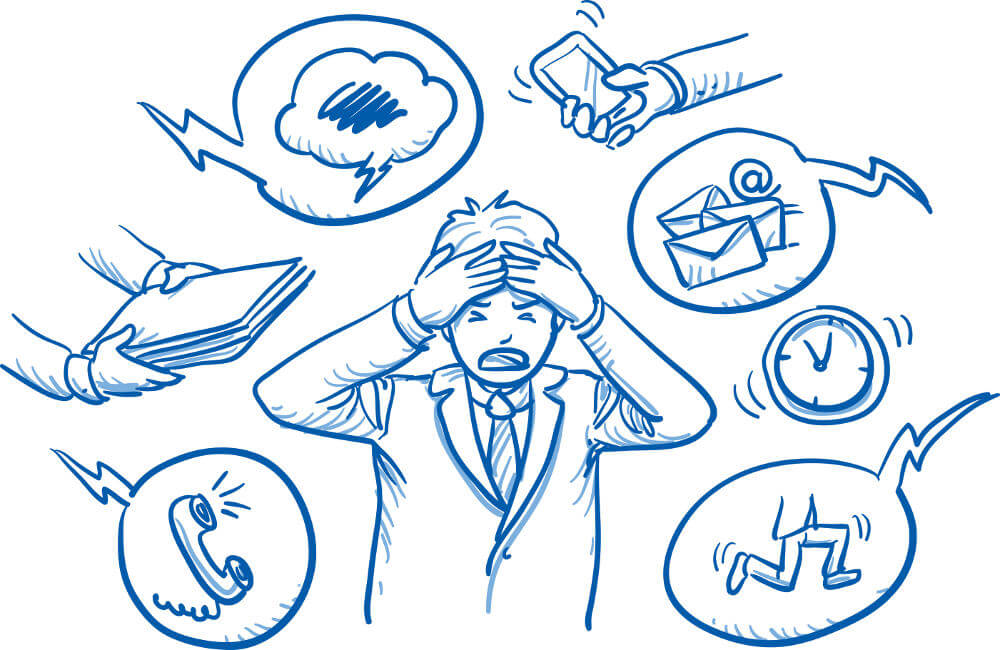
Stress is probably the biggest mental health issue that we face in the modern world. Work-related stress, depression or anxiety impacted 1,510 workers per 100,000 in the UK in 2016 (23), and “I’m stressed” is probably the most commonly heard complaint amongst groups of friends or family. Stress is tied to elevated blood pressure (24), can trigger cardiovascular events (25) and can impair sexual function (26). Moreover, it’s tied to decreased immune function (27), impaired exercise recovery (28) and even faster skin ageing (29).
Clearly, something needs to be done here. If you’re stressed out, you aren’t healthy either psychologically or physically, and the spiral only ever goes downwards. Stress manifests for an absolute ton of reasons and I won’t pretend that what I write here will be the answer for everyone, but the following points are extremely useful for managing stress, and ultimately removing it from your life:
- Meditation. Yes, I know meditation is usually associated with hippies, Buddhists and spiritual weirdos, but it has a host of well-documented physical and mental benefits (30). One of the best-known of these effects is the anti-anxiety sensation experienced by those who meditate for as little as 10 minutes per day. Try it – you can even get apps for it now – and, if you don’t like it, you’ve only lost 10 minutes.
- Time Management. By far one of the biggest sources of stress for people is a perceived lack of time, and it’s no wonder. There are a million more things pulling at you than there have been for humans at any other time in history, and it shows. We rush everywhere, things that are instant are revered, and we get impatient with even the smallest amount of inconvenient waiting. Because of this, we are all left feeling like we don’t have enough hours in the day to do all of the things we want to do, but I would argue that this is not the case. One of the greatest tips you can ever take on board is to create a schedule. A schedule is NOT a method by which you force yourself to do all the things you don’t want to do; it’s something that lets you make sure you still have time for yourself amongst all the things you know you have to do regardless. Start with the fun things, then build everything else in around that – and be strict with it. One recent unofficial study reported that smartphone users touch their phones over 2,500 times per day on average, and I would bet my left foot that the VAST majority of those weren’t necessary. Plan your day and waste less time; you’ll get more done, feel more productive and watch your stress get lower by the day.
- Confront those whom you need to confront. There are people in most of our lives with whom we need to have it out, but we don’t because we are afraid of what might happen. That could be a partner, family member, colleague, boss at work or anyone else; it doesn’t matter – what matters is that there is something you want to say, but you haven’t said it. Go say it. Sure, the outcome may not be pleasant, but if you take the long view, it will be the best possible outcome (you two are going to have it out eventually, and the longer it’s been bubbling, the worse it will get). In fact, on a broader note:
- Do all the stuff you know you should do but aren’t doing. I can’t tell you what these things are, but if you ask yourself, I guarantee you’ll come up with a few ideas. That bill you haven’t paid isn’t getting smaller, that rattle on your car won’t fix itself and your garden is only going to keep getting wilder and wilder. Do the things, face the issues and eliminate the stress.
- Finally, be mindful. Here, it’s a little hard to *not* sound like a massive douche, but your thoughts are not necessarily something you want to pay attention to. There is a gap between your experience of something and your reaction to it. That gap is filled by your subconscious brain presenting you with a thought and you deciding to go with it. Be mindful in that situation – does this shit really matter? So, that person jumped the queue; is it worth ruining my morning for the sake of waiting 20 more seconds for my coffee? You’re not in charge of the world, and you’re not in charge of the thoughts that your brain presents you. You are, however, in charge of the way you choose to react to those thoughts – so exercise that.
Cut back on stuff you know isn’t a good idea
OK, I’m not going to get preachy because you know this, but smoking, drinking to excess, recreational drugs and other things generally thought of as vices probably aren’t helping you. Cutting back or removing these will help (with drinking, cutting back possibly more than elimination), but that is a really long path for some. Take your time, and ask those far more qualified than me for help if you need it – moving on…

Sleep more
Sleep deprivation can lead to a whole mess of trouble. It impacts the hormones that control hunger (31) and your ability to decide not to act on your newfound ravenousness (32). It can screw up both testosterone levels (33) and sexual function (34), and that’s not to mention all of the impacts that crap sleep will have on cognition, alertness and memory (35, 36, 37).
In order to feel good, most folks need around seven to nine hours of sleep per night. This is made up of five to six cycles, each comprising four separate stages of sleep: three stages of non-REM sleep and then, finally, REM (rapid eye movement) sleep itself. Suffice it for our purposes here to know that they are all important for something, and without them, you’ll be in a bad way. If you’d like to learn more about this, there’s an ace module dedicated to the cool neurobiological science behind sleep, but for now, here’s some actionable stuff you can do to sleep better:
- Make your room really dark. Light interferes with your sleep function by interfering with deep parts of your brain (38), so do your best to eliminate it as much as possible. This means removing TVs from the bedroom if possible or at least switching them off 30 minutes before you plan to sleep, making sure the standby light isn’t on. It also means keeping your phone away from the bed and potentially investing in blackout curtains.
- Keep your room cool and comfortable. If it’s too cold or too hot, you’re going to have a bad time (39). It goes without saying that a nice comfy mattress and some clean bedding will work wonders here, too.
- Reduce caffeine intake as much as possible in the afternoon and potentially introduce a caffeine cut-off at 2-3 pm. Caffeine has a very long half-life (40), meaning it hangs around interrupting sleep a lot longer than you’d think.
- Stress can influence sleep, too, so alongside the above steps on stress, consider keeping a journal. That means you can write to-do lists or pour out your thoughts and close them away until the following day – possibly doing away with the incessant internal chatter that some of us struggle to sleep through.
- Have a hot shower before bed. You’ll be more comfortable (and possibly save time in the morning!).
- Consider not drinking anything during the two hours before bed. This can help remove the ‘wake up to pee’ thing.
Sleep is something that many take for granted, but it really needs to be worked at. Sleep isn’t hard, but at the same time, it doesn’t just happen – put some effort in and reap the rewards.
Cultivate a meaningful relationship
Human beings are social creatures, and that means we don’t typically do well without some level of meaningful relationship. Having a meaningful relationship is an important factor in overall health, both physically and mentally (41). In fact, in one of the classic books in psychology, “The Myth of Mental Illness”, Thomas Szasz argues that most mental health problems arise not because of an internal pathology but because of what he describes as “Problems in Living” – one of the primary examples being a lack of meaningful personal relationships.
That doesn’t necessarily mean a romantic one. All it means is that you need to have friends, a family circle or otherwise some folks around you whose company you enjoy and whom you trust.
Find a hobby you enjoy outside of work and fitness
The final thing that’s critical for a healthy life is a hobby. Something positive (getting drunk is not REALLY a hobby…) that you can spend your downtime doing. This should be something you find engaging and inherently meaningful; the kind of thing that allows you to lose track of time.
Importantly, this needs to be something other than exercise. Many exercise enthusiasts refer to their training regime as their primary hobby, but when they inevitably get injured or are otherwise unable to get to the gym for a week or more, they lose their one meaningful lifestyle occupation and feel unable to enjoy life. Take up an art form, get a dog to walk, get into computer gaming (in moderation; that can, of course, become pathological if you get a little too into more immersive online games), take up photography or learn an instrument.
There are a million hobbies out there that will enrich your life and make you happier, and increasing the amount of time each day that you experience happiness (or at least meaning and purpose) is probably the best thing you can do for your own psychological wellbeing.
Final Thoughts
There is a ton of stuff to implement here, and as I said from the beginning – you don’t need to implement it all immediately. In fact you don’t have to implement all of it at all if you don’t want to. If you’re currently inactive, eating a poor diet, a bit heavier than you should be, stressed to hell and not sleeping then just fixing one or two of those things can make a big-ass difference. Focus on what you can do now, then assess the rest later. One more time – you have the rest of your life to get it all right.
Thanks a ton for reading. If you enjoyed this article and want to learn more about nutrition for health, weight management, longevity, or just about any other reason, check out our Fundamentals of Nutrition for Health and Weight Management Course. We also have a range of other nutrition courses available that might interest you. Some of these are designed for exercise and fitness professionals, others aren’t. If you do have any questions, feel free to get in touch with our Careers Team.
References
- World Health Organization. (2017). Constitution of WHO: principles. [online] Available at: http://www.who.int/about/mission/en/ [Accessed 21 Sep. 2017].
- Who.int. (2017). WHO | Physical Activity and Adults. [online] Available at: http://www.who.int/dietphysicalactivity/factsheet_adults/en/ [Accessed 21 Sep. 2017].
- Healy, G., Wijndaele, K., Dunstan, D., Shaw, J., Salmon, J., Zimmet, P. and Owen, N. (2007). Objectively Measured Sedentary Time, Physical Activity, and Metabolic Risk: The Australian Diabetes, Obesity and Lifestyle Study (AusDiab). Diabetes Care, 31(2), pp.369-371.
- Porter, MM. (2001). The effects of strength training on sarcopenia. Canadian Journal of Applied Physiology, 26(1), pp.123-141.
- Layne, JE and Nelson, ME (1999). The effects of progressive resistance training on bone density: a review. Medicine and Science in Sports and Exercise, 31(1), pp.25-30.
- Ivy, J. (1997). Role of Exercise Training in the Prevention and Treatment of Insulin Resistance and Non-Insulin-Dependent Diabetes Mellitus. Sports Medicine, 24(5), pp.321-336.
- Sjögren, T., Nissinen, K., Järvenpää, S., Ojanen, M., Vanharanta, H. and Mälkiä, E. (2006). Effects of a physical exercise intervention on subjective physical well-being, psychosocial functioning and general well-being among office workers: A cluster randomized-controlled cross-over design. Scandinavian Journal of Medicine and Science in Sports, 16(6), pp.381-390.
- Netz, Y., Wu, M., Becker, B. and Tenenbaum, G. (2005). Physical Activity and Psychological Well-Being in Advanced Age: A Meta-Analysis of Intervention Studies. Psychology and Aging, 20(2), pp.272-284.
- Fleck, S. and Falkel, J. (1986). Value of Resistance Training for the Reduction of Sports Injuries. Sports Medicine, 3(1), pp.61-68.
- Ishigaki, E., Ramos, L., Carvalho, E. and Lunardi, A. (2014). Effectiveness of muscle strengthening and description of protocols for preventing falls in the elderly: a systematic review. Brazilian Journal of Physical Therapy, 18(2), pp.111-118.
- Andersen, L., Saervoll, C., Mortensen, O., Poulsen, O., Hannerz, H. and Zebis, M. (2011). Effectiveness of small daily amounts of progressive resistance training for frequent neck/shoulder pain: Randomised controlled trial. Pain, 152(2), pp.440-446.
- Risch, S., Norvell, N., Pollock, M., Risch, E., Langer, H., Fulton, M., Graves, J. and Leggett, S. (1993). Lumbar strengthening in chronic low back pain patients. Physiologic and psychological benefits. Spine, 18(2), pp.232-238.
- Topp, R., Woolley, S., Hornyak, J., Khuder, S. and Kahaleh, B. (2002). The effect of dynamic versus isometric resistance training on pain and functioning among adults with osteoarthritis of the knee. Archives of Physical Medicine and Rehabilitation, 83(9), pp.1187-1195.
- Caleyachetty, R., Thomas, G., Toulis, K., Mohammed, N., Gokhale, K., Balachandran, K. and Nirantharakumar, K. (2017). Metabolically Healthy Obese and Incident Cardiovascular Disease Events Among 3.5 Million Men and Women. Journal of the American College of Cardiology, 70(12), pp.1429-1437.
- Evans, E., Mojtahedi, M., Thorpe, M., Valentine, R., Kris-Etherton, P. and Layman, D. (2012). Effects of protein intake and gender on body composition changes: a randomized clinical weight loss trial. Nutrition & Metabolism, 9(1), p.55.
- Rodriguez, N. (2015). Introduction to Protein Summit 2.0: continued exploration of the impact of high-quality protein on optimal health. American Journal of Clinical Nutrition, 101(6), pp.1317S-1319S.
- Gannon, M., Nuttall, F., Saeed, A., Jordan, K. and Hoover, H. (2003). An increase in dietary protein improves the blood glucose response in persons with type 2 diabetes. American Journal of Clinical Nutrition, 78(4), pp.734-741.
- Leidy, H., Ortinau, L., Douglas, S. and Hoertel, H. (2013). Beneficial effects of a higher-protein breakfast on the appetitive, hormonal, and neural signals controlling energy intake regulation in overweight/obese, “breakfast-skipping,” late-adolescent girls. American Journal of Clinical Nutrition, 97(4), pp.677-688.
- Aleksandrova, K., Jenab, M., Leitzmann, M., Bueno-de-Mesquita, B., Kaaks, R., Trichopoulou, A., Bamia, C., Lagiou, P., Rinaldi, S., Freisling, H., Carayol, M., Pischon, T., Drogan, D., Weiderpass, E., Jakszyn, P., Overvad, K., Dahm, C., Tjønneland, A., Bouton-Ruault, M., Kühn, T., Peppa, E., Valanou, E., La Vecchia, C., Palli, D., Panico, S., Sacerdote, C., Agnoli, C., Tumino, R., May, A., van Vulpen, J., Benjaminsen Borch, K., Oluwafemi Oyeyemi, S., Quirós, J., Bonet, C., Sánchez, M., Dorronsoro, M., Navarro, C., Barricarte, A., van Guelpen, B., Wennberg, P., Key, T., Khaw, K., Wareham, N., Assi, N., Ward, H., Aune, D., Riboli, E. and Boeing, H. (2017). Physical activity, mediating factors and risk of colon cancer: insights into adiposity and circulating biomarkers from the EPIC cohort. International Journal of Epidemiology.
- Sacks, F., Bray, G., Carey, V., Smith, S., Ryan, D., Anton, S., McManus, K., Champagne, C., Bishop, L., Laranjo, N., Leboff, M., Rood, J., de Jonge, L., Greenway, F., Loria, C., Obarzanek, E. and Williamson, D. (2009). Comparison of Weight-Loss Diets with Different Compositions of Fat, Protein, and Carbohydrates. New England Journal of Medicine, 360(9), pp.859-873.
- Haines, S. and Park, S. (2012). Vitamin D Supplementation: What’s Known, What to Do, and What’s Needed. Pharmacotherapy: The Journal of Human Pharmacology and Drug Therapy, 32(4), pp.354-382.
- NCCIH. (2017). Omega-3 Supplements: In Depth. [online] Available at: https://nccih.nih.gov/health/omega3/introduction.htm [Accessed 21 Sep. 2017].
- HSE (2016). Work related Stress, Anxiety and Depression Statistics in Great Britain 2016. [online] Crown Copyright. Available at: http://www.hse.gov.uk/statistics/causdis/stress/stress.pdf [Accessed 21 Sep. 2017].
- Kulkarni, S., O’Farrell, I., Erasi, M. and Kochar, M. (1998). Stress and Hypertension. WMJ, 97(11), pp.34-38.
- Dimsdale, J. (2008). Psychological Stress and Cardiovascular Disease. Journal of the American College of Cardiology, 51(13), pp.1237-1246.
- Brecher, J. (1977). Sex, Stress, and Health. International Journal of Health Services, 7(1), pp.89-101.
- Segerstrom, S. and Miller, G. (2004). Psychological Stress and the Human Immune System: A Meta-Analytic Study of 30 Years of Inquiry. Psychological Bulletin, 130(4), pp.601-630.
- STULTS-KOLEHMAINEN, M. and BARTHOLOMEW, J. (2012). Psychological Stress Impairs Short-Term Muscular Recovery from Resistance Exercise. Medicine & Science in Sports & Exercise, 44(11), pp.2220-2227.
- Chen, Y. and Lyga, J. (2014). Brain-Skin Connection: Stress, Inflammation and Skin Aging. Inflammation & Allergy-Drug Targets, 13(3), pp.177-190.
- Sharma, H. (2015). Meditation: Process and effects. AYU (An International Quarterly Journal of Research in Ayurveda), 36(3), p.233.
- SCHMID, S., HALLSCHMID, M., JAUCH-CHARA, K., BORN, J. and SCHULTES, B. (2008). A single night of sleep deprivation increases ghrelin levels and feelings of hunger in normal-weight healthy men. Journal of Sleep Research, 17(3), pp.331-334.
- Harrison, Y. and Horne, J. (2000). The impact of sleep deprivation on decision making: A review. Journal of Experimental Psychology: Applied, 6(3), pp.236-249.
- Leproult, R. (2011). Effect of 1 Week of Sleep Restriction on Testosterone Levels in Young Healthy Men. JAMA, 305(21), p.2173.
- Ferini-Strambi, L., Montorsi, F., Iannaccone, S., Guzzone, G., Zucconi, M., Smirne, S. and Rigatti, P. (1996). The impact of sleep deprivation on erotic erections. European Urology, 30(1), pp.50-53.
- Alhola, P. and Polo-Kantola, P. (2007). Sleep deprivation: Impact on cognitive performance. Neuropsychiatric Disease and Treatment, 3(5), pp.553-567.
- Goel, N., Basner, M., Rao, H. and Dinges, D. (2013). Circadian Rhythms, Sleep Deprivation, and Human Performance. Progress in Molecular Biology and Translational Science, pp.155-190.
- Alkadhi, K., Zagaar, M., Alhaider, I., Salim, S. and Aleisa, A. (2013). Neurobiological Consequences of Sleep Deprivation. Current Neuropharmacology, 11(3), pp.231-249.
- Moore, R. (2007). Suprachiasmatic nucleus in sleep-wake regulation. Sleep Medicine, 8, pp.27-33.
- Okamoto-Mizuno, K. and Mizuno, K. (2012). Effects of thermal environment on sleep and circadian rhythm. Journal of Physiological Anthropology, 31(1), p.14.
- Karacan, I., Thornby, J., Anch, M., Booth, G., Williams, R. and Sallis, P. (1976). Dose-related sleep disturbances induced by coffee and caffeine. Clinical Pharmacology and Therapeutics, 20(6), pp.682-689.
- Umberson, D. and Karas Montez, J. (2010). Social Relationships and Health: A Flashpoint for Health Policy. Journal of Health and Social Behavior, 51(1_suppl), pp.S54-S66.
- Szasz, T. (2010). The Myth of Mental Illness. New York: Harper Perennial.
Author

Tom Bainbridge
Writer and Academy Manager at The Body Type Nutrition Academy
Tom is a performance and nutrition coach who frequently delivers courses for Body Type Nutrition, writes for the Awesome Supplements blog and is involved with several fitness marketing projects.
Subscribe to our newsletter
Step inside the world of health and fitness
Great news, you're on the list...