
The Foundations of Great Pilates Teaching
Rachel Lawrence Interview Series: Part 1 of 2
Rachel Lawrence Interview Series: Part 1 of 2
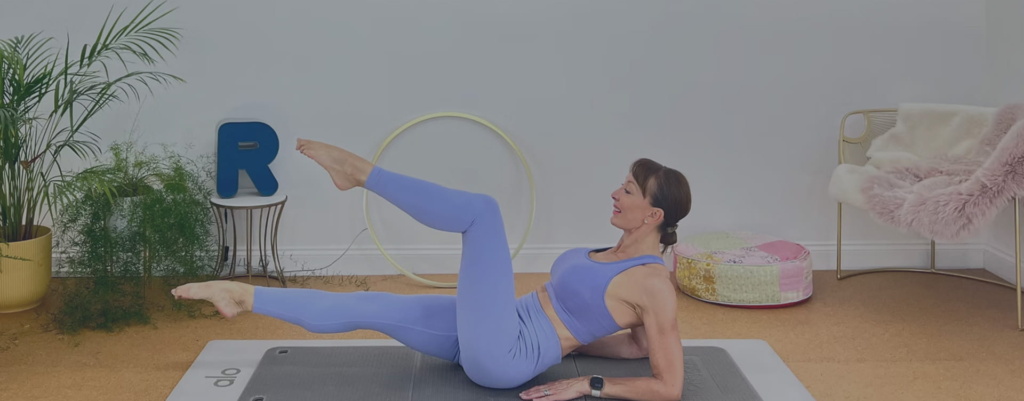
For almost three decades, Rachel Lawrence has lived and breathed Pilates. From teaching in studios to coaching online, she has worked with people of all ages, abilities and backgrounds, helping them move better and feel more confident in their bodies.
While her online audience has grown to hundreds of thousands around the world, Rachel believes the real lessons haven’t come from subscriber numbers or social media—they’ve come from years of teaching real people. In this conversation, she reflects on the psychology of teaching, the importance of empathy and why understanding people is just as important as understanding movement.
I’ve been doing Pilates for 28 years, teaching it for 16 years, and have had many teachers and teacher trainers. I’ve experienced it fully from both sides, and I think really great teaching comes down to having a clear understanding of the Pilates method and its origins, a clear understanding of anatomy, and empathy.
Be kind! You must care about the people you’re teaching, you must always be looking at your class and thinking, “Is everyone OK?” Is somebody in this class struggling? Do they look like they could do with some help, a little word of encouragement, or a cue to correct some imbalance in their body? Whether in person or online, the client comes first, always.
People come to Pilates for many reasons, and behind that reason, there will be emotion. They may be recovering from an injury or trying to manage a medical condition; they may be self-conscious about their body; they may have never exercised before, or they may want to stay fit for a chosen sport, all of which will contain an insecurity, a need for reassurance, encouragement or support. Above all, it’s important that you meet them where they are.
You can know all the choreography in the world, but if you don’t understand and empathise with people, you’re not going to be an effective Pilates teacher. You are there to make the time they spend with you calm, focused, relaxing in the mind and free in the body.
People really do love to learn, so help them understand their bodies better, in many cases help them work with their body rather than fight against it, and remember that not everybody will be able to do all the exercises. Be sure to have up your sleeve the modifications or adjustments you can offer to help them find their way to achieving the movement and maintaining their flow in class. People do get very upset when they can’t do a certain movement, so it’s really important to make sure everybody feels included and seen.
I think the key thing to remember is that you have no idea what anybody who comes to your class is dealing with in their own life. I’ve had people in class who have gone through serious injuries, loss of family members, loss of friends or a diagnosis of a really serious medical condition, and they’re all looking to you, the teacher, to help support them and guide them safely through class.
That time with you may be the only time they get to be themselves and relax from the stresses of life. Equally, I’ve had people come to class and just want to be in their own little bubble as their way of coping, and that’s fine too. Learning to read the room is a key skill to build.
It is completely different. Pilates is a mastery of movement that takes years of practice. Most people don’t have that mastery when they come to class; they don’t know how to move their bodies, isolate certain muscles, work in different planes of motion or control their movement. What you see on social media is a slice of movement, often from someone with years of experience, and even then, you don’t see the sweat or the months and years of dedication they have put in to be able to do that.
Pilates is really hard to master—that’s why it is such a wonderful method.
That everybody learns differently. Working with real clients on a regular basis, I’ve noticed some people learn by listening to the choreography of the movement, some by seeing the movement and some through visualisation techniques. More than anything, real clients have taught me that people will respond in many different ways to the same exercise. We are all unique after all.
The first time I taught one particular woman many years ago, I asked her to lie down with her knees bent, hands on her ribs, and said we were just going to go through the breathing. I was talking her through the breathwork and, three or four breaths in, she burst into tears and told me it was the first time she had allowed herself to relax in a very long time.
So I think, again, let’s go back to why psychology is so important. You must take care of the people that you’re teaching.
Put simply, no two bodies are the same. Whilst classical Pilates assumes a level of expertise in movement, contemporary Pilates reflects the need to offer modifications, adaptations and, importantly, understand contraindications. People of any age may have injuries, a spinal condition such as scoliosis or be living with conditions like osteoporosis. It’s vital to keep them safe and improve their wellbeing, so having that knowledge is incredibly important.
That’s why it’s important to continually nourish your education—seek out books to read, people to follow, classes and courses that deepen your knowledge. The more you know, the more you can help your clients and build your expertise.
Enjoyed Rachel’s insights on teaching? In the second part of our interview, she shares how she built a successful online Pilates career, why authenticity matters and what advice she’d give instructors looking to grow their own audience.
Read: Building a Pilates Career with Purpose
Whether you’re just starting out or looking to deepen your expertise, our Pilates teacher training and CPD courses are designed to help you become the knowledgeable, confident instructor your clients need.

Beth is a content creator specialising in health, wellness and education. With an MA in Graphic Design, she brings together strategy, design thinking and storytelling to create engaging content that informs, inspires and connects with audiences.
Step inside the world of Pilates
Great news, you're on the list...