Our Movement for Everyone campaign aims to make the health and fitness industry more inclusive. Through our Inclusive Coaching Scholarship Fund, created in partnership with HFE graduate, disability advocate and coach Callum Foster, we’re helping three aspiring coaches overcome financial barriers and create more opportunities in inclusive fitness.
Scholarship winner Colin Johnston knows first-hand how life can change after a spinal cord injury. Told he would never walk again, he has since gone on to play international para-football for Scotland and become part of the wider parasport community.
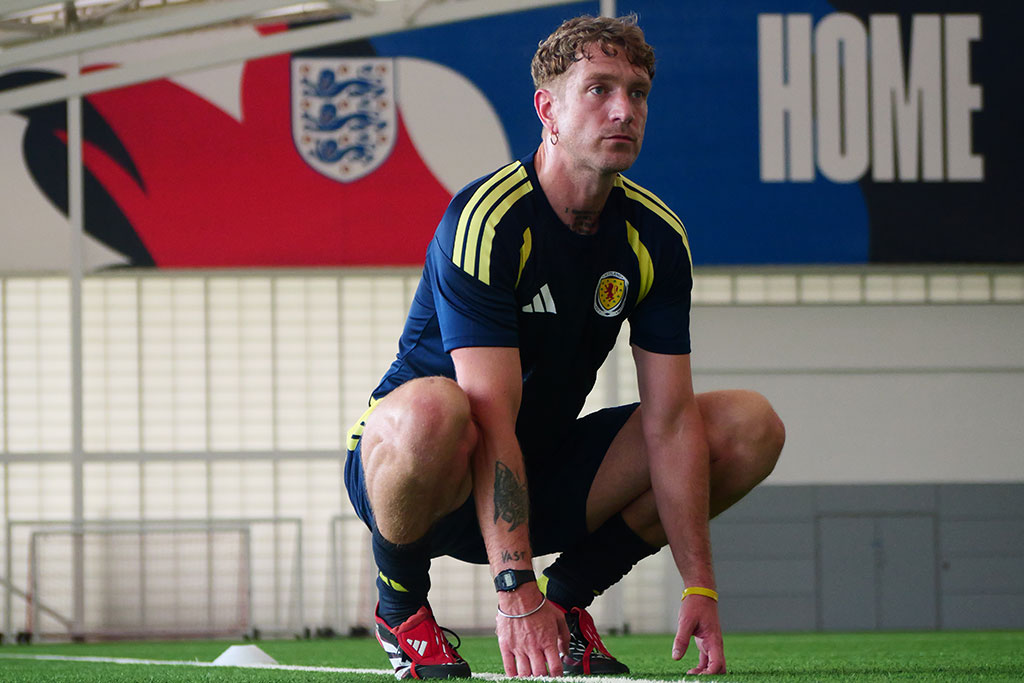
Colin believes that lived experience, while valuable, isn’t enough on its own to qualify someone to coach people with every type of disability or impairment. We found out how he hopes to help drive change and make inclusive fitness more accessible to all.
1. What does inclusive fitness mean to you?
After my spinal cord injury, movement went from being something I took for granted to something I had to fight incredibly hard to regain. Learning to stand, walk and eventually play football again completely changed my relationship with exercise. Because of that, one of my strongest beliefs is that we shouldn’t decide what somebody is capable of before they’ve had the opportunity to explore it themselves.
Quite simply, not deciding somebody’s limits for them. Giving equal space and opportunity to move and express, have fun and play!
That first-hand experience has shown me the power of movement. It’s the community, confidence, something to look forward to and the quality of life that it brings.
2. How does this scholarship align with your personal values?
My values are based around acceptance, possibility and treating people as individuals. I’m not interested in pretending disability doesn’t create real barriers. It does. I want to acknowledge those barriers while helping people find out what is possible.
I love sport and exercise, but I’m equally passionate about the confidence, independence, friendships and sense of belonging that can come with them. Returning to football introduced me to the parasport community and eventually led to me representing Scotland, something I genuinely didn’t know was possible when I first became disabled. I want more people to discover their own version of that.
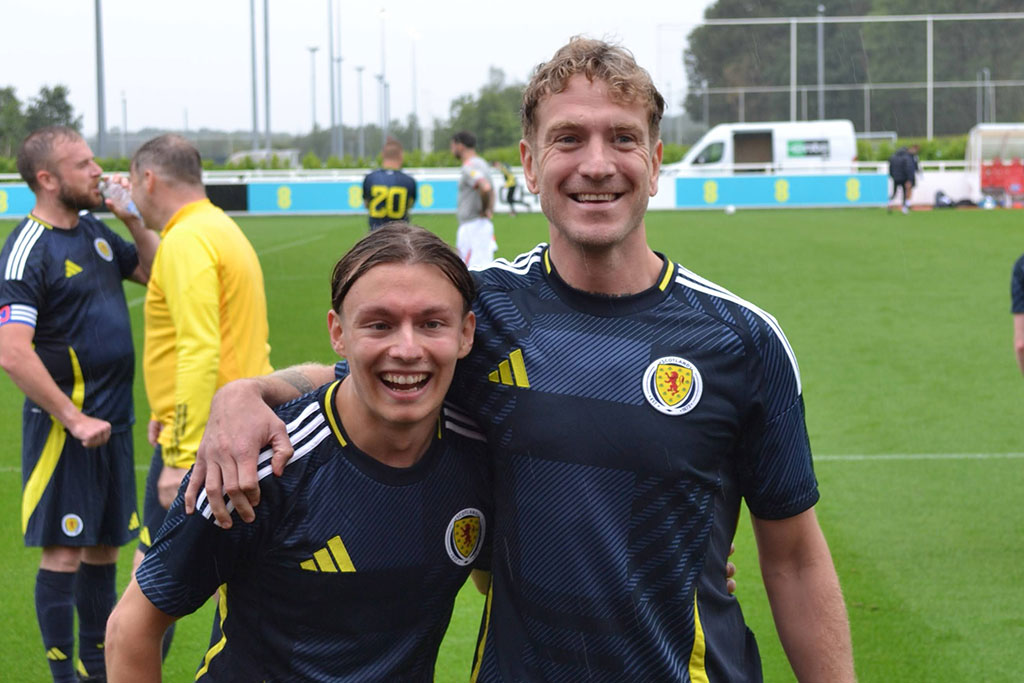
I’m also sharing my journey online and beginning to build a community around disability, movement and what’s possible. I’d use that platform to share what I’m learning throughout the scholarship and hopefully help the information reach people who might never normally engage with the fitness industry.
3. What barriers to movement do you notice and how will you challenge them?
For me, one of the biggest barriers is simply knowing what’s possible and knowing what’s out there. I’ve experienced this myself – when I wanted to get back into sport, I spent years Googling, messaging people and trying to work out what opportunities actually existed for someone with my impairment.
The infrastructure and opportunities are often there, but the communication isn’t always. There are people sitting at home who probably have no idea that there’s a team, a sport, an adapted gym session or a community that has space for them.
I believe that the more visible inclusive fitness and para sport become, the harder they are to overlook. More people taking part creates more demand, more coaches, stronger communities and hopefully, in time, more investment and funding.
Of course there are other barriers too, inaccessible facilities, equipment, confidence, knowledgeable coaches and particularly funding. But I think visibility and representation can help challenge many of these and I want to be part of making these opportunities easier to find.
4. Who do you hope to support in your future coaching?
I want to work with disabled people in gyms, connect with parasport organisations and clubs, introduce people to sporting opportunities and eventually run inclusive sessions where people can try different forms of movement in a relaxed environment.
I like the idea of building a pathway to elite parasport, so people can initially come along to move and learn, but if they wish, they also have access to or know how to join elite programmes. From grassroots first-timers to the Paralympics, for example, it’s about showcasing that it’s possible.
I don’t want this Level 3 Exercise for Disabled Clients qualification to just be another certificate beside my name. I want to use it to help create opportunities and make sure more people actually know those opportunities exist.
Related Article
 Success Stories
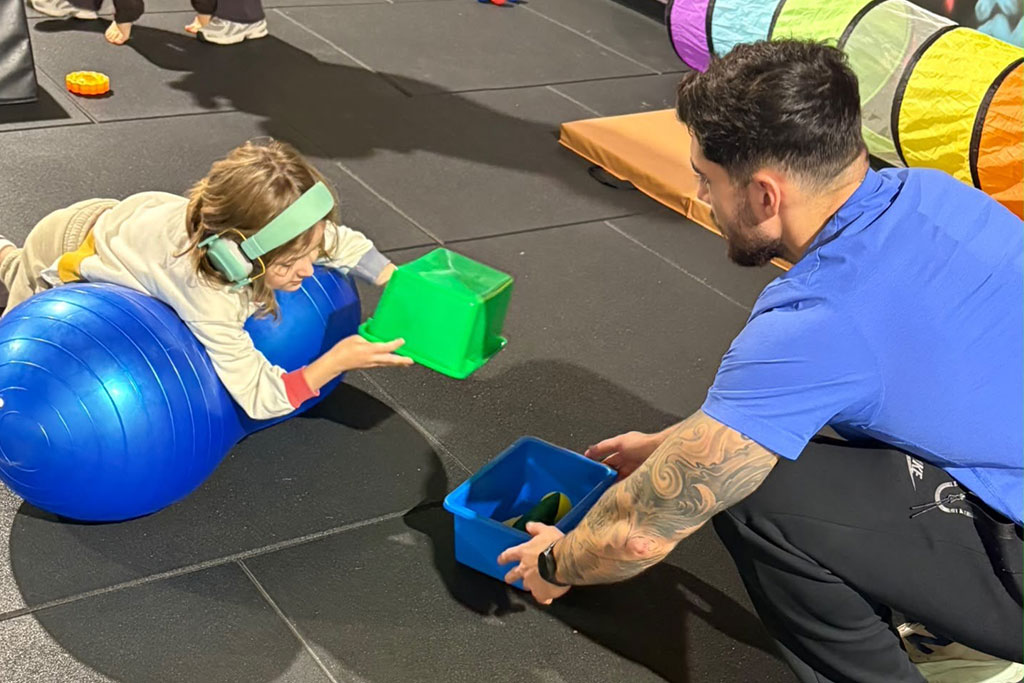
Inclusive Coaching Scholarship Fund Winner: Brandon Taylor’s Story
Learn how fatherhood inspired Brandon to create more inclusive fitness opportunities for people with additional needs.
9th November 2026 • 4 Minute Read
Read articleRelated Article
 Success Stories
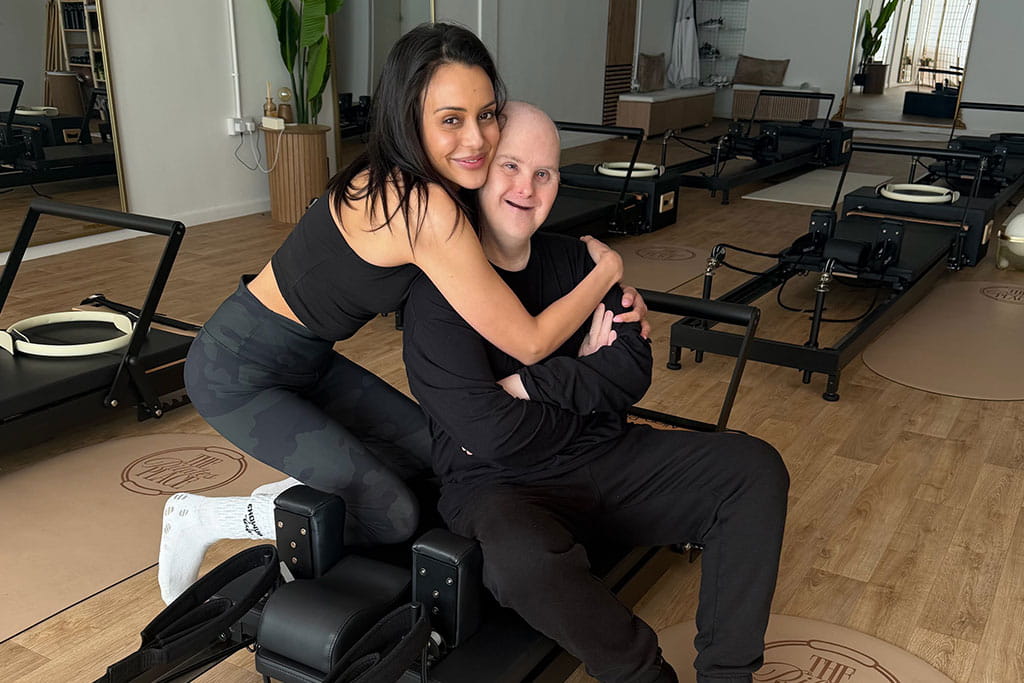
Inclusive Coaching Scholarship Fund Winner: Emma Amos’ Story
Find out what inspired winner Emma Amos to apply for the scholarship, and how she hopes to build on her work.
9th November 2026 • 4 Minute Read
Read article