As part of our Movement for Everyone campaign, we teamed up with HFE graduate, disability advocate and coach Callum Foster to launch a scholarship supporting three aspiring coaches by removing financial barriers and championing inclusive fitness.
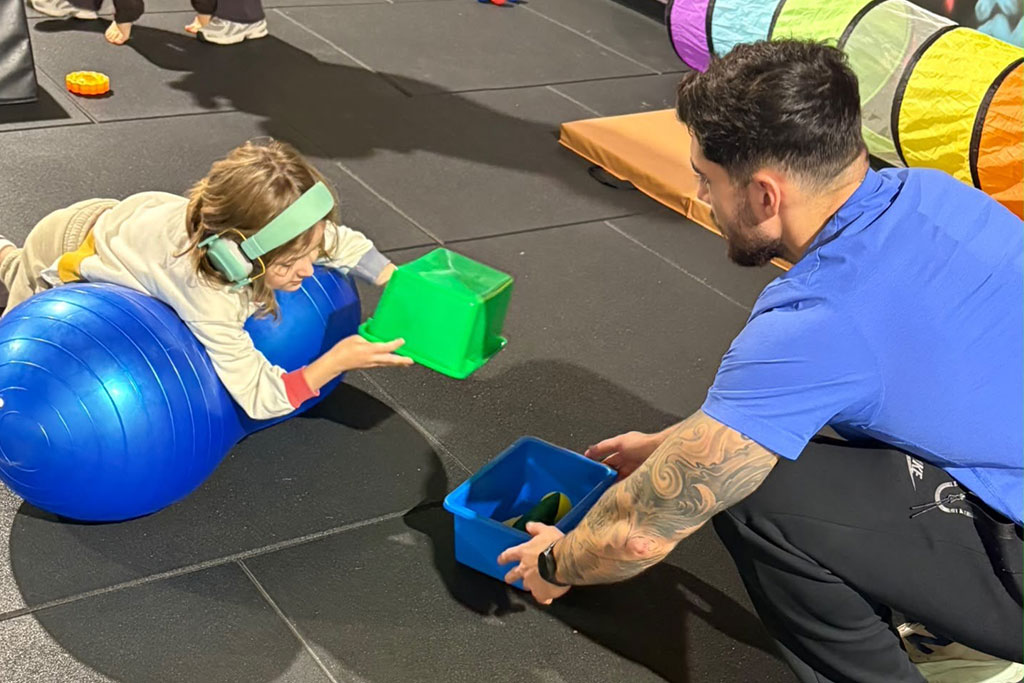
One of the three winners, Emma Amos, works across specialist and mainstream schools, carers’ organisations and community settings, supporting people with a wide range of needs, including autism, Down’s syndrome, learning disabilities and reduced mobility.
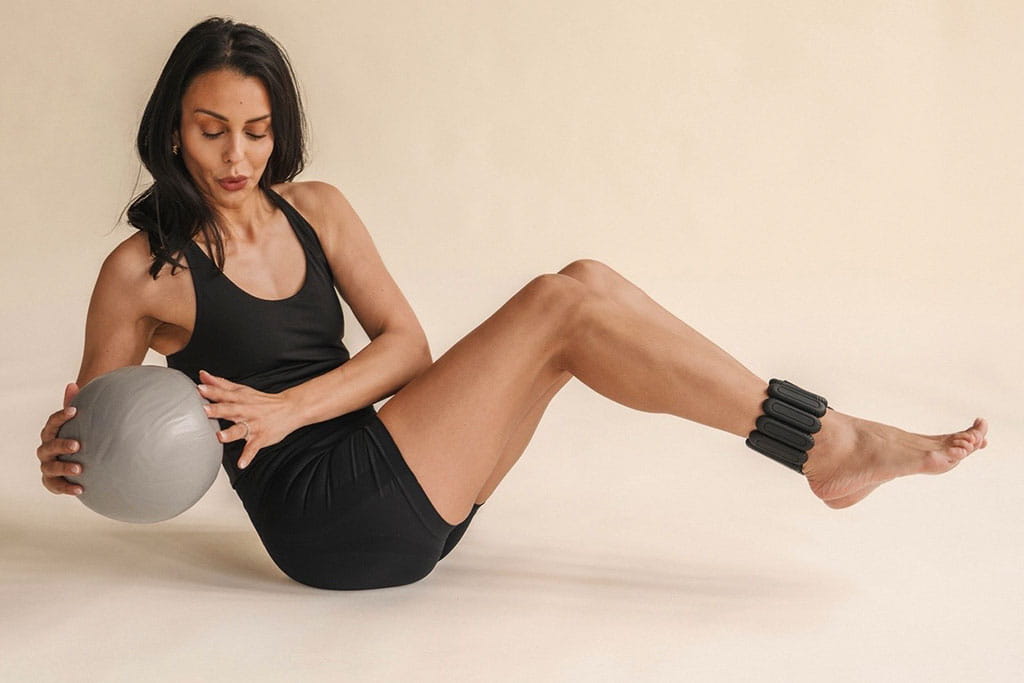
We find out what inspired Emma to apply for the scholarship and how she hopes to build on her work to make exercise safer, more accessible and genuinely inclusive.
1. Why is inclusion important to you?
Everybody should have the opportunity to experience movement in a way that is safe, meaningful and appropriate for them. To me, inclusion is not simply allowing somebody with additional needs to be present in the room. It is making sure that they can genuinely participate.
That may mean changing the exercise, changing the language, using visual or physical prompts, allowing more processing time, adapting equipment, working from a chair or the floor, reducing sensory demands or approaching the session in a completely different way.
It means seeing the person before the diagnosis. Two people with the same condition may have completely different strengths, challenges and goals, so inclusive coaching has to remain individual.
I want to help people improve strength, mobility, posture, coordination and confidence, but just as importantly I want movement to give people a sense of achievement, independence and belonging. Most importantly, I do not believe inclusion should mean lowering expectations. It should mean removing unnecessary barriers and finding the right route for that individual to experience progress, confidence and success.
2. Where does your motivation come from?
My motivation comes from a combination of lived experience and professional experience. I am a parent to a child with significant additional needs, so I understand personally how often families can encounter barriers and assumptions behind closed doors. That has shaped the way I approach my work and the opportunities I want to create for other people.
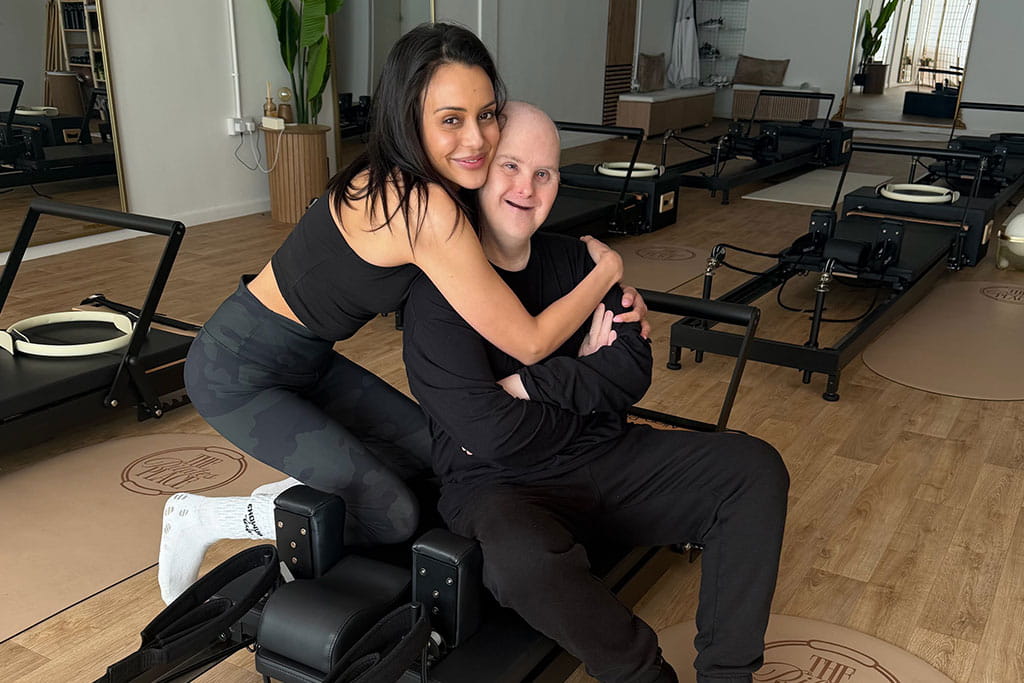
The values behind it are simple: inclusion, dignity, kindness, high expectations and giving people opportunities that may previously have been unavailable to them.
3. What barriers to movement do you notice and how will you challenge them?
One of the biggest barriers I find is that many fitness environments are still designed around an assumption of what a participant should be able to do. For somebody with a disability, learning disability, sensory need, communication difference or reduced mobility, that can make a class feel inaccessible before it has even started.
There can also be other barriers such as unsuitable venues, lack of appropriately trained instructors, cost, transport, anxiety, sensory overload and limited understanding of how to adapt exercise safely. Parents and carers can understandably become reluctant to try new services if previous experiences have made them feel that their family member is difficult to accommodate.
My personal belief has always been to try to ‘find the yes in every no’. Rather than starting with what someone cannot do, I want to look at the person in front of me, understand what they need and find a safe and meaningful way for them to participate.
I want to help change that by creating fitness opportunities where adaptation is built in from the beginning rather than added as an afterthought. That means understanding the individual, communicating with families and support staff, offering different ways to perform a movement, creating welcoming environments and knowing when an exercise needs to be progressed, modified or replaced.
4. Who do you hope to support in your future coaching?
I hope to support children, young people and adults who are too often excluded from mainstream fitness and wellbeing opportunities because of disability, additional needs, neurodivergence or complex health and mobility needs.
But also the parents, carers, schools and organisations by helping them understand that inclusive fitness does not have to mean lowering expectations. It means adapting intelligently so that each person has the opportunity to participate and succeed.
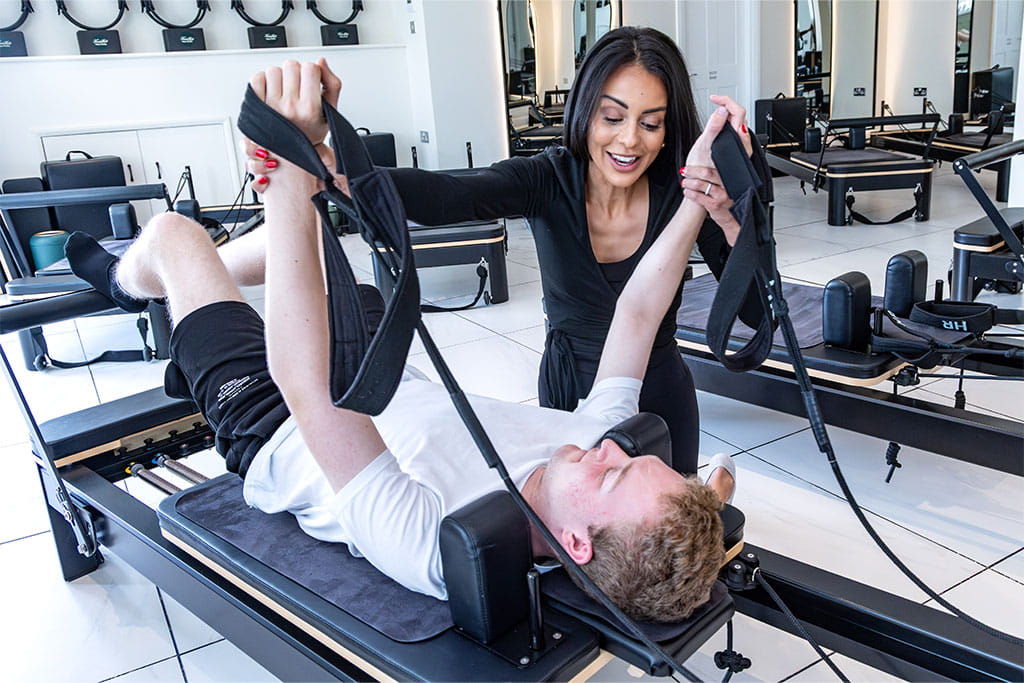
For me, this scholarship will not fund a qualification that sits on a certificate. It would be applied immediately in real community settings and would help strengthen and expand work that is already making a difference.
Completing the Level 3 Exercise for Disabled Clients course will allow me to deliver the work I already do with greater confidence, a broader exercise toolkit and an even stronger understanding of how to support different needs safely and effectively.
By being able to share what I learn, I can encourage more organisations to think differently about inclusive fitness and help create new opportunities for people who are currently underserved.
Related Article
 Success Stories
Inclusive Coaching Scholarship Fund Winner: Colin Johnston’s Story
Discover how Colin’s personal experience and journey into parasport have shaped his vision for a more inclusive fitness industry.
9th November 2026 • 4 Minute Read
Read articleRelated Article
 Success Stories
Inclusive Coaching Scholarship Fund Winner: Brandon Taylor’s Story
Learn how fatherhood inspired Brandon to create more inclusive fitness opportunities for people with additional needs.
9th November 2026 • 4 Minute Read
Read article